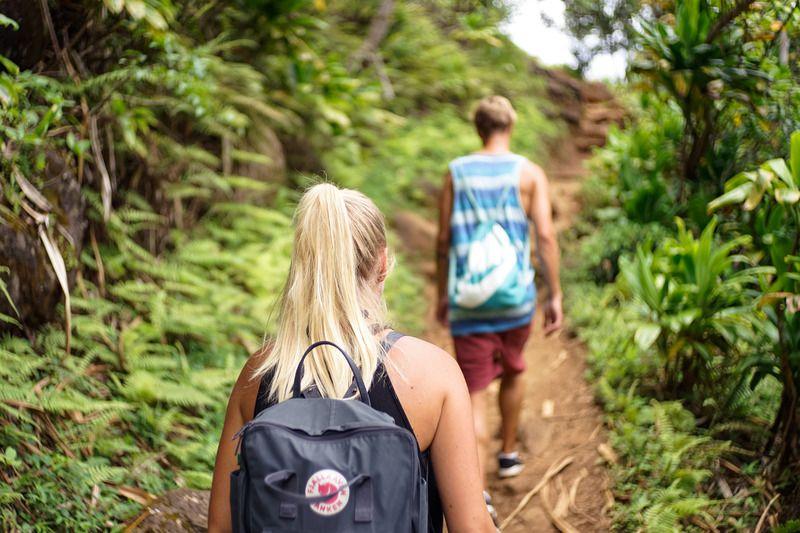
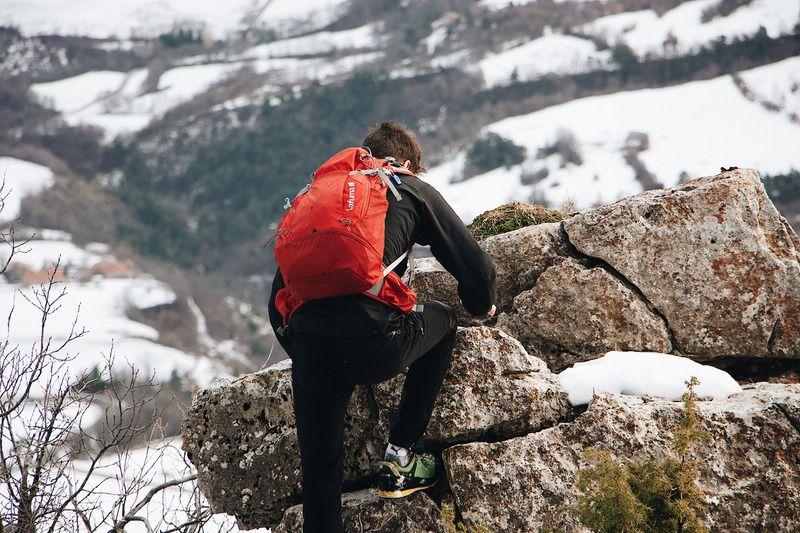
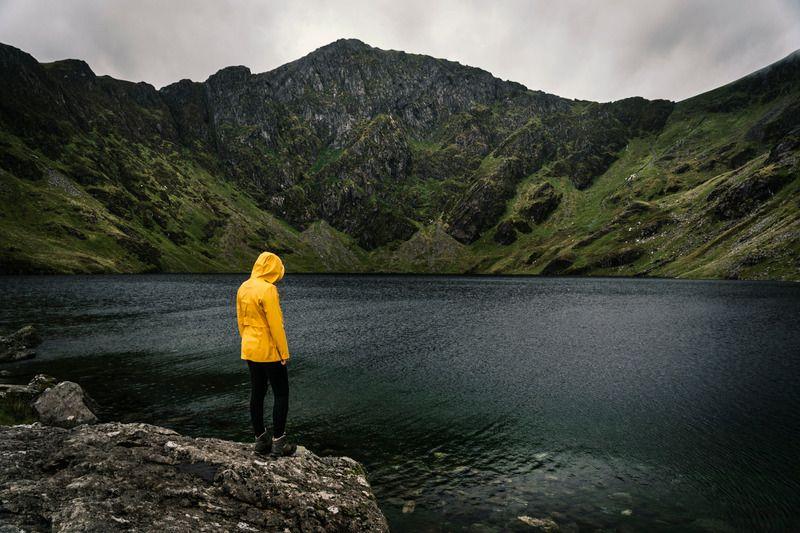
Quick answer: on every hike, bring water, food, navigation (a map or offline GPS), sun protection, an extra layer, a headlamp, a first-aid kit, a knife or multi-tool, a fire starter and an emergency shelter. These are the classic “Ten Essentials”. Add a phone, ID and some cash, and tell someone where you’re going.
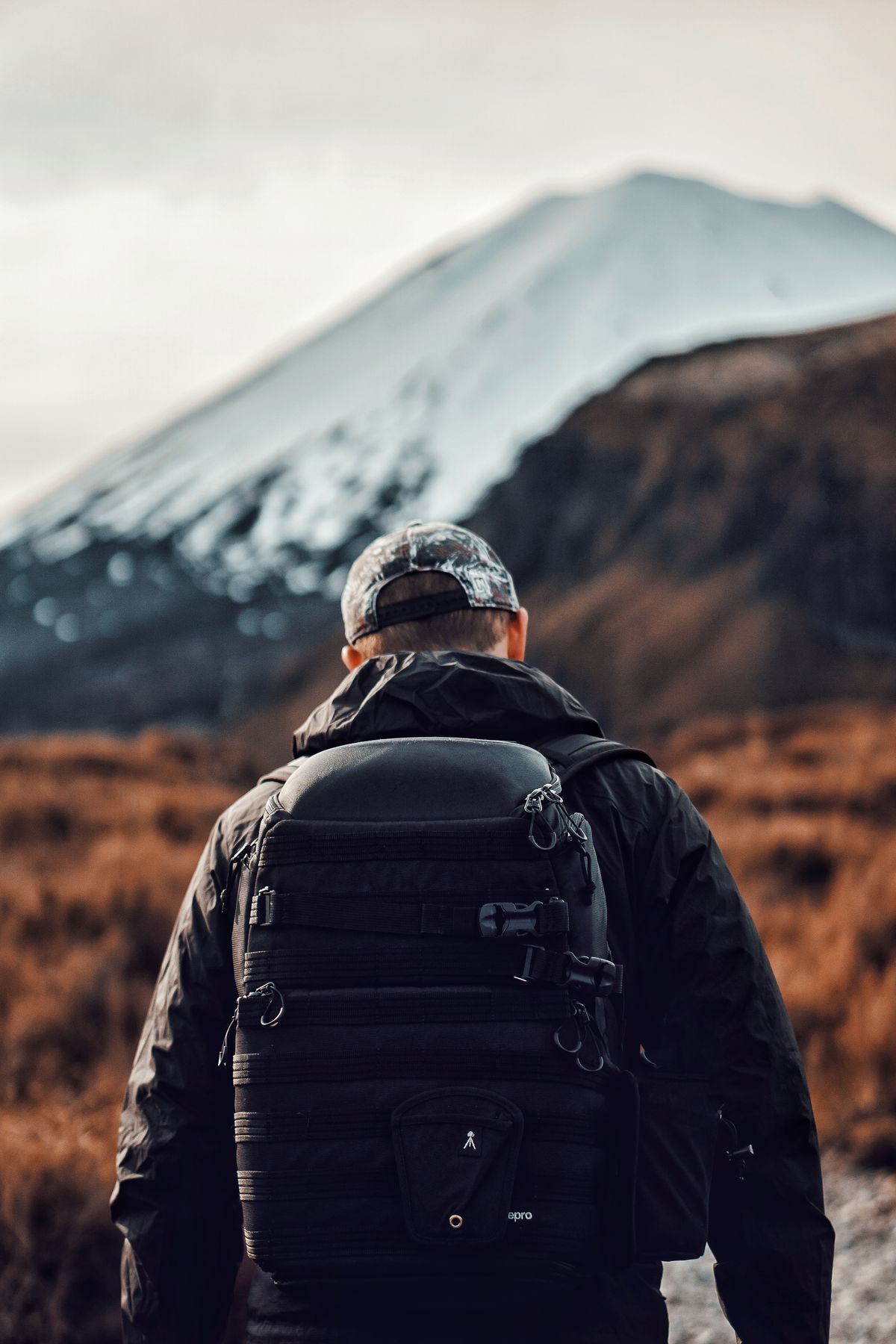
Most trail emergencies start small: a wrong turn, a twisted ankle, a hike that runs past sunset. The right kit turns those moments into minor delays instead of rescues. Here’s exactly what to pack.
The Ten Essentials
- Navigation: a map, compass, and phone app with offline maps.
- Headlamp with spare batteries, even if you plan to be back by lunch.
- Sun protection: sunscreen, sunglasses and a hat.
- First-aid kit, including blister care.
- Knife or multi-tool.
- Fire: a lighter or waterproof matches.
- Emergency shelter: a space blanket or bivvy bag.
- Extra food, more than you think you’ll need.
- Extra water, or a way to treat it.
- Extra clothes: an insulating layer and a rain jacket.
Day Hike Checklist
Wear
- Moisture-wicking shirt and hiking pants or shorts (what to wear hiking)
- Hiking socks and well-fitting boots or trail shoes
Pack
- Daypack, about 15–30 litres (how to pack it)
- Water: about 0.5 litres per hour in moderate conditions, more in heat
- Snacks and lunch (best hiking food)
- The Ten Essentials (above)
- Phone, power bank, ID and cash
- Trekking poles (why they help)
- Toilet paper, trowel and a zip bag (pack it out)
- Bug spray, depending on the season
Extras for Longer or Multi-Day Hikes
- Tent or shelter (best budget backpacking tents)
- Sleeping bag and pad (sleeping bag guide)
- Stove, fuel, pot and utensils (cooking gear guide)
- Water filter or purification tablets
- Camp clothes and a warm hat
- Personal locator beacon or satellite messenger in remote areas
Before You Leave Home
- Check the weather forecast and the trail’s current conditions.
- Leave your route and expected return time with someone you trust.
- Download offline maps and charge your phone.
- Know your turnaround time, and stick to it.
How to Keep Your Pack Light
Every item should earn its place. Share group gear, swap heavy items for lighter ones over time, and don’t pack your fears. Our guide to lightening your pack explains how.
FAQ
How much water should I bring on a hike?
A common rule of thumb is about half a litre per hour of moderate hiking, and more in heat, at altitude or on steep climbs. If you’re unsure, carry extra or bring a filter.
Do I really need a first-aid kit for a short hike?
Yes. A small kit weighs very little, and blisters and scrapes happen on short hikes too.
What should I not bring hiking?
Cotton clothing, new boots you haven’t worn in, glass bottles, and anything you can’t carry back out.

Hi, I am Emam Hasan — founder and editor of BrokeMountain. I oversee this blog’s hiking, camping and outdoor gear guides, making sure every article is well-researched, accurate and genuinely helpful for your time on the trail. Enjoy it!