
Quick answer: the best hiking boots for ankle support have a mid or high cut, a firm heel counter, a supportive (not floppy) collar and a stiff, torsionally stable sole. Fit and lacing matter as much as height: a well-laced mid boot supports better than a loose high boot.
Rolled ankles are among the most common hiking injuries. The right boots, laced properly, help keep you stable on uneven ground.
What Makes a Boot Supportive
- Cut height: mid and high cuts wrap the ankle; low cuts give little support.
- Heel counter: a firm cup that holds your heel in place.
- Torsional stiffness: the sole resists twisting on uneven rock.
- Lacing to the top: speed hooks let you lock the ankle.
- Wide, stable base with grippy lugs.
Boot Types Compared
| Type | Ankle support | Best for |
|---|---|---|
| Low-cut hiking shoe | Low | Smooth trails, fast hiking |
| Mid-cut boot | Good | Most hikers, mixed terrain |
| High-cut / backpacking boot | Highest | Heavy packs, rough ground, weak ankles |
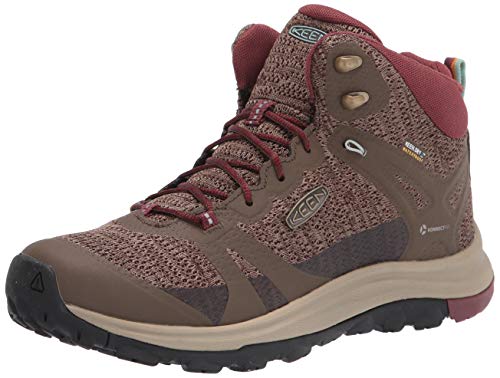
Our Picks: Supportive Hiking Boots


Other Ways to Protect Your Ankles
- Use heel-lock lacing.
- Hike with trekking poles for balance.
- Strengthen your ankles with balance exercises.
- Slow down on loose descents and watch your foot placement.
- Consider an ankle brace if you have a previous injury (ask a physio).
FAQ
Do high-top boots prevent ankle sprains?
They help by limiting extreme rolling, but they can’t prevent every sprain. Fit, lacing and ankle strength all matter.
Are hiking shoes bad for weak ankles?
Low-cut shoes give less support. If you roll your ankles often, choose a mid or high cut.
How should supportive boots fit?
Snug at the heel and ankle with room for your toes. See our fit guide.
Related: Hiking shoes for wide feet · Heavy vs light boots

Hi, I am Emam Hasan — founder and editor of BrokeMountain. I oversee this blog’s hiking, camping and outdoor gear guides, making sure every article is well-researched, accurate and genuinely helpful for your time on the trail. Enjoy it!


