
Quick answer: for trail riding at night, use a handlebar light of at least 1,000 lumens with a wide beam, plus a helmet light of around 500+ lumens that points where you look. Choose a light that lasts your whole ride on a medium setting.
Night riding turns familiar trails into a whole new adventure, but only if you can see where you’re going. Here’s what really matters when choosing MTB lights.
How Many Lumens Do You Need?
| Riding | Bar light | Helmet light |
|---|---|---|
| Road / commuting | 300–800 | Optional |
| Easy trails | 800–1,200 | 300–500 |
| Technical trails | 1,200–2,000+ | 500–1,000 |
| Fast descents / racing | 2,000+ | 1,000+ |
Our Picks


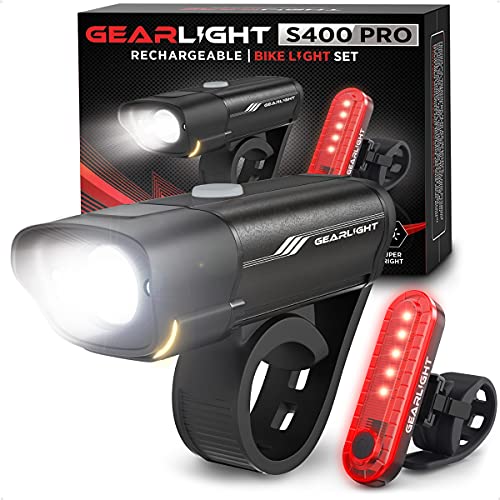


What to Look For
- Beam pattern: a wide flood for the bar light, a focused spot for the helmet.
- Runtime: check how long it lasts on the setting you’ll actually use, not just on low.
- Battery: integrated batteries are neat; external packs last longer.
- Mounts: secure, tool-free bar and helmet mounts.
- Water resistance: look for at least IPX4 for wet rides.
Bar Light + Helmet Light
The best setup uses both. The bar light shows the trail ahead and its texture; the helmet light shines into corners where you look. See our helmet light guide.
FAQ
Are cheap MTB lights worth it?
Many are fine for commuting, but claimed lumens are often exaggerated. Buy from brands that publish real-world runtime tests.
How long should a bike light battery last?
At least as long as your longest night ride on medium power, plus a margin for safety.
Do I need a rear light off-road?
It’s smart for road sections and for group rides so others can see you.
Related: Helmet lights · MTB accessories

Hi, I am Emam Hasan — founder and editor of BrokeMountain. I oversee this blog’s hiking, camping and outdoor gear guides, making sure every article is well-researched, accurate and genuinely helpful for your time on the trail. Enjoy it!


