
Food is an important part of hiking preparation. The right meals and snacks can help you maintain energy, stay focused, and recover after a long day outdoors.
There is no single best hiking diet. Your food choices should match the length and difficulty of the route, weather, pack weight, personal preferences, and access to water. A short walk may require only a snack, while a full-day or multiday hike needs a detailed food plan.
The best hiking food is practical: it should be easy to carry, simple to eat, suitable for the conditions, and familiar enough that you know how your body will respond.
How Much Food Do You Need?
Your food needs depend on factors such as:
- Hike duration
- Distance and elevation gain
- Terrain
- Body size and individual energy needs
- Temperature
- Pack weight
- Hiking speed
- Availability of food along the route
- Whether you will camp overnight
A short, easy hike close to home may not require a full meal. A long or strenuous hike can require regular snacks and substantial meals.
Avoid relying on a fixed calorie number for every outing. People vary widely in how much they need, and conditions can change your appetite and energy use. Instead, plan enough food for the expected trip and carry a modest reserve for delays.
Eat Before You Start
The meal before a hike should provide carbohydrates for activity, some protein for fullness, and enough fluid to begin well hydrated.
Good pre-hike choices may include:
- Oatmeal with fruit and nuts
- Toast with eggs
- Yogurt with granola
- Rice with vegetables and a source of protein
- A bagel with nut butter
- Cereal with milk
- A banana and a simple sandwich
Choose foods you already tolerate. A large, greasy, or unfamiliar meal may cause stomach discomfort, particularly before a steep climb.
If you hike early in the morning, eat a smaller meal and carry a snack for the trail. Do not force yourself to eat a large breakfast if that makes you feel uncomfortable.
Carbohydrates for Hiking Energy
Carbohydrates are a convenient source of energy during physical activity. They are found in foods such as fruit, bread, tortillas, rice, crackers, cereal bars, and dried fruit.
Useful hiking carbohydrates include:
- Bananas
- Apples or oranges
- Dried fruit
- Pretzels
- Crackers
- Rice cakes
- Granola bars
- Tortillas
- Candy or chews
- Sandwiches
Carbohydrates are not the only nutrient hikers need, but they are often practical during sustained movement. Combine them with foods you enjoy and can digest comfortably.
Protein and Fat
Protein can help with fullness and supports normal recovery after activity. Fat provides concentrated energy, but high-fat foods may feel heavy for some people during intense hiking.
Practical sources include:
- Nuts and seeds
- Nut butter
- Jerky
- Hard cheese
- Roasted chickpeas
- Tuna or chicken packets
- Trail mix
- Protein bars
- Peanut butter sandwiches
Individual tolerance matters. Foods that work well during a relaxed day hike may feel uncomfortable during a hot, steep climb.
Hiking Snacks
Choose snacks that are easy to access without unpacking your entire bag. Small portions eaten regularly are often easier to manage than waiting until you feel exhausted.
Useful options include:
- Trail mix
- Energy bars
- Dried fruit
- Fresh fruit
- Pretzels
- Crackers
- Jerky
- Cheese
- Nut butter packets
- Peanut butter sandwiches
- Tortillas
- Roasted nuts
- Granola
- Chocolate in cool conditions
Pack snacks in reusable bags or containers that protect them from crushing. Keep food you plan to eat soon in an accessible pocket.
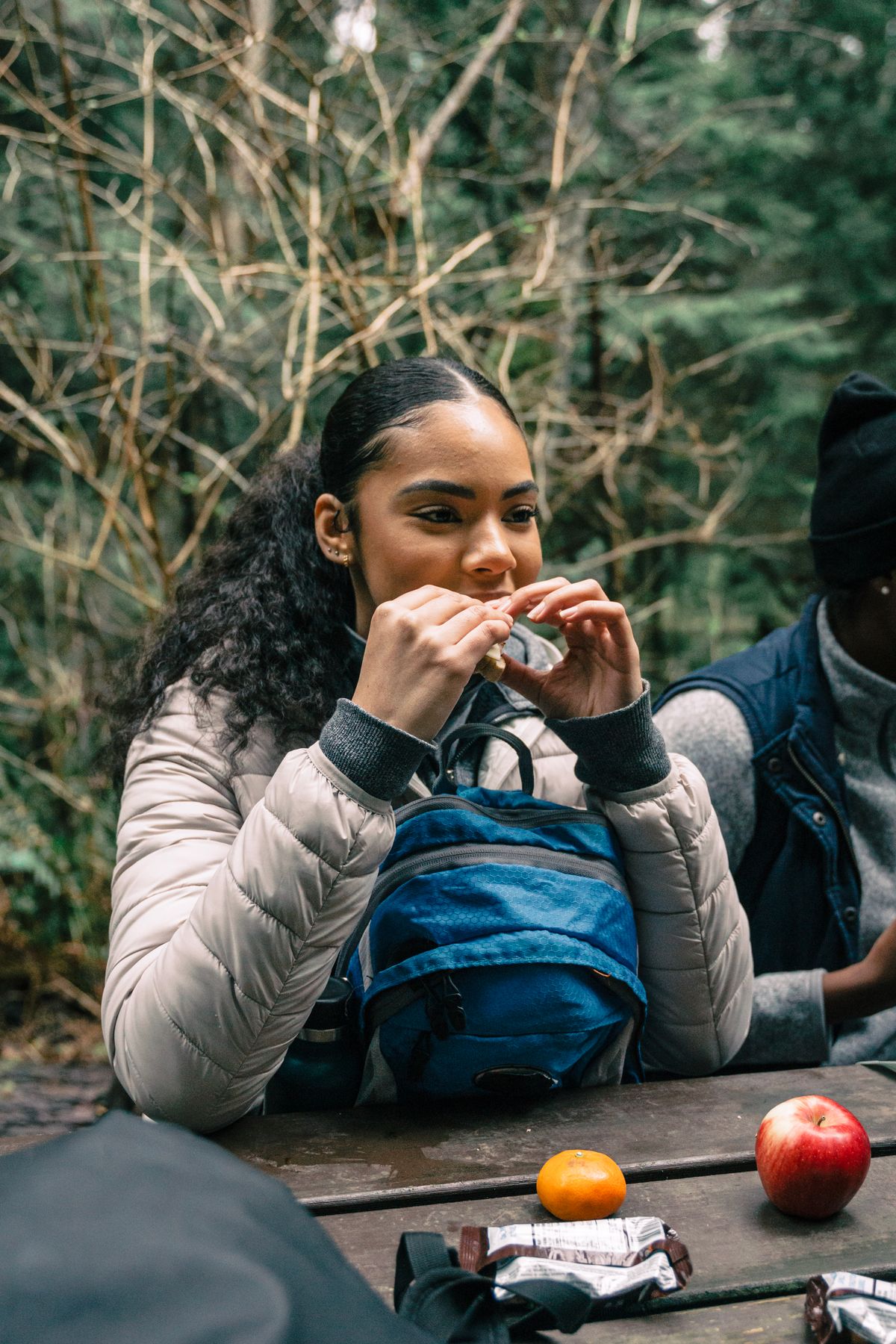
Sweet and Savory Foods
Sweet snacks can be appealing when you need quick energy, while savory foods may be more satisfying during a long day. A combination gives you more variety and may help prevent food fatigue.
Do not depend entirely on candy or sugary snacks. They may provide quick energy but often do not keep you full for long.
How Often Should You Eat?
There is no required eating schedule. Some hikers prefer small snacks every hour, while others eat less often and take longer meal breaks.
A practical approach is to eat before you feel completely depleted. Pay attention to early signs such as:
- Low energy
- Trouble concentrating
- Irritability
- Weakness
- Shakiness
- Unusual slowing
- Headache
Stop, drink, and eat when needed. Waiting until you feel exhausted can make it harder to recover while continuing along the trail.
Food for Day Hikes
A day hike food plan should be simple and matched to the expected duration.
For a short outing, you may need:
- Water
- One or two snacks
- A small meal if the hike overlaps with lunchtime
- Extra food in case you are delayed
For a longer day hike, consider:
- A filling breakfast
- Several snacks
- A substantial lunch
- A reserve snack
- Electrolyte products if they suit you and conditions warrant them
Pack food that can handle the expected temperature. Chocolate, soft cheese, and some fresh foods may become messy or unsafe in heat.
Lunch on the Trail
A trail lunch should be easy to carry and eat. You may not have a table, clean water, or a place to cook.
Good options include:
- Tortilla wraps
- Bagels
- Peanut butter sandwiches
- Hard cheese and crackers
- Tuna packets with tortillas
- Hummus with sturdy vegetables or flatbread
- Rice or grain pouches
- Cold pasta salad
- Jerky and fruit
- Shelf-stable meals
Avoid foods that spoil quickly unless you can keep them cold. Pack sauces and fillings carefully to prevent leaks.
Food for Backpacking and Multiday Hikes
Overnight trips require more planning because you must carry enough food for several days.
Consider:
- Weight and bulk
- Calories and portion size
- Cooking time
- Fuel requirements
- Water availability
- Packaging
- Storage from animals
- Personal dietary needs
- Food fatigue
Shelf-stable food is usually easier to carry than perishable food. Dehydrated or freeze-dried meals can reduce weight, but they require enough water and may cost more than ordinary grocery items.
Backpacking Breakfasts
Common choices include:
- Oatmeal
- Granola with powdered milk
- Breakfast bars
- Tortillas with nut butter
- Instant cereal
- Dried fruit and nuts
- Coffee or tea if desired
Choose a breakfast that you can prepare reliably in the expected conditions.
Backpacking Dinners
Dinner can be a warm meal after a demanding day, but it does not need to be complicated.
Options include:
- Dehydrated meals
- Instant noodles with added protein
- Couscous with vegetables
- Instant rice with tuna or beans
- Pasta with a shelf-stable sauce
- Soup with crackers
- Mashed potatoes with a protein source
- Pre-cooked grains where practical
Check cooking instructions before the trip. Some meals require simmering, while others only need hot water.
Cooking and Heating Food
If you plan to cook, carry a stove, fuel, pot, lighter, and utensils suitable for the trip. Check local rules before using a stove or making a fire.
Open flames may be restricted during dry or high-risk conditions. Never assume that a campfire is allowed.
Practice using your stove at home. Confirm that fuel is compatible and that you know how much you need. Pack a backup way to prepare food when the trip is remote and the consequences of equipment failure are serious.
Do not cook inside a tent because of fire and carbon monoxide risks. Use a stable, well-ventilated outdoor location away from flammable materials.
Hydration and Food
Food and water work together. Dehydration can worsen fatigue, headaches, and poor concentration, but drinking excessive amounts of water can also be dangerous.
Carry water based on the route, weather, exertion, and reliable refill points. Do not assume every mapped source is flowing or safe to drink.
Use a suitable filter, chemical treatment, or other approved method when collecting water in the backcountry. Electrolyte drinks may be useful in hot conditions or during prolonged exertion, but they do not replace adequate food and water planning.
Drink regularly rather than waiting until you feel extremely thirsty.
Salt and Electrolytes
Sweating causes fluid and electrolyte loss, but the amount varies between people and conditions. Hot weather, humidity, long activity, and heavy sweating can increase the need to consider electrolytes.
Some hikers use electrolyte tablets, powders, or sports drinks. Others obtain enough from ordinary food and water during shorter outings.
Follow product directions and avoid treating electrolyte products as universally necessary. If you have a medical condition or take medication affecting fluid balance, ask a qualified healthcare professional for advice.
Food Safety
Food safety is important outdoors because refrigeration and clean preparation areas may not be available.
Follow these practices:
- Keep perishable foods cold when necessary.
- Use clean hands or utensils before eating.
- Protect food from dirt and insects.
- Avoid damaged or leaking packages.
- Discard food that has been held in unsafe conditions.
- Keep raw foods separate from ready-to-eat foods.
- Pack out all packaging and scraps.
Heat can make some foods unsafe faster than expected. When in doubt, choose a shelf-stable alternative.
Storing Food in the Backcountry
Food and scented items may attract wildlife. Storage requirements vary by location and species.
Depending on local rules, you may need to use:
- Bear-resistant containers
- Food lockers
- Hanging systems where permitted
- Sealed bags inside a pack
- Designated storage areas
Check local regulations before your trip. Do not leave food, toothpaste, trash, or scented toiletries exposed at camp.
Never feed wildlife. It can harm animals and create dangerous interactions with future visitors.
Managing Food Waste
Pack out wrappers, peels, leftovers, and other waste unless local rules specifically allow disposal.
Do not assume that fruit peels or food scraps are harmless. They may take a long time to break down, attract animals, or damage the natural appearance of the area.
Use reusable containers when practical. Remove unnecessary packaging at home, but keep preparation instructions and allergen information when needed.
Special Dietary Needs
Hikers can follow many eating patterns outdoors, including vegetarian, vegan, gluten-free, dairy-free, and allergy-conscious diets.
Plan carefully for:
- Enough protein
- Suitable shelf-stable foods
- Cross-contamination
- Safe food storage
- Ingredient labels
- Replacement options if a food is damaged or lost
Carry backup foods that you know you can eat. If an allergy could become life-threatening, keep required medication accessible and make sure companions know how to respond.
Food for Children and Groups
Children may need familiar foods and more frequent snacks. Pack choices they already eat rather than relying on them to try new trail meals when tired.
For groups, ask about allergies, dietary restrictions, and food preferences in advance. Divide shared food and cooking responsibilities clearly.
Carry a little extra food for delays, slower progress, or unexpected changes. Keep the reserve separate so it is not accidentally eaten early.
Food in Hot and Cold Weather
Hot Weather
Heat can spoil perishable food and reduce appetite. Choose foods that tolerate warmth and protect them from direct sun.
Eat smaller portions more often if large meals feel uncomfortable. Combine food with regular drinking and rest in shaded areas when possible.
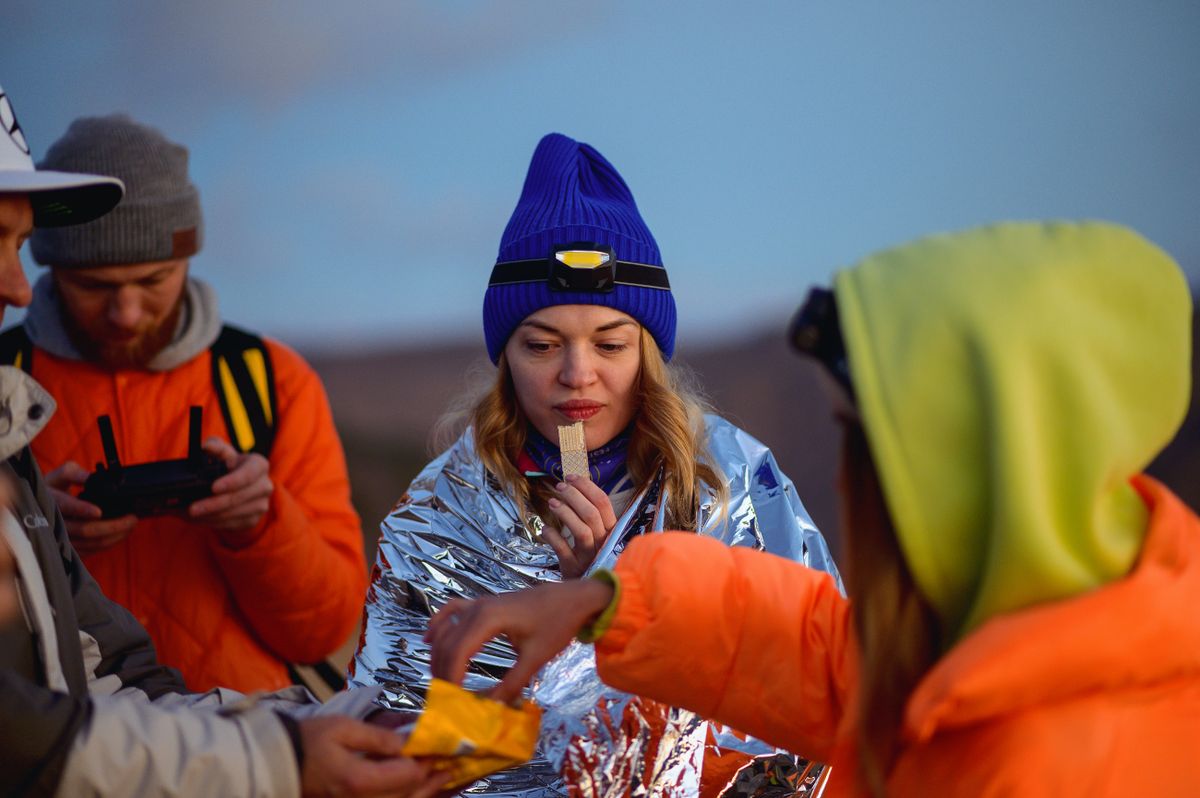
Cold Weather
Cold temperatures can make some foods hard to chew or prepare. Chocolate, bars, and gels may become firm, while water can freeze.
Keep vulnerable foods inside clothing or an insulated container. Plan cooking time carefully because cold and wind can make stove use slower and less efficient.
How to Plan a Hiking Food List
Before packing, write down:
- The number of hiking days
- Breakfasts, lunches, dinners, and snacks
- Water sources and treatment needs
- Cooking equipment and fuel
- Reserve food for delays
- Dietary and medical requirements
- Food-storage rules
- Packaging and waste arrangements
Choose foods you have tested on shorter outings. A long hike is not the best time to discover that a meal causes stomach discomfort or that a stove is difficult to use.
A Simple Food Comparison
| Food type | Advantages | Limitations |
|---|---|---|
| Fresh fruit | Refreshing and nutrient-rich | Can bruise and spoil |
| Nuts and seeds | Compact and energy-dense | May be unsuitable for allergies |
| Energy bars | Convenient and easy to portion | Some become hard or melt |
| Sandwiches | Familiar and filling | Ingredients may spoil |
| Dehydrated meals | Light and easy to store | Require water and often heat |
| Jerky | Portable source of protein | Can be salty and chewy |
| Crackers and pretzels | Easy carbohydrates | Can crush easily |
| Trail mix | Varied and satisfying | May be high in sugar or salt |
No single food needs to provide everything. A combination of foods usually offers better variety and practicality.
Common Hiking Food Mistakes
Waiting Until You Feel Weak
Eat and drink before your energy drops sharply. Regular small amounts are often easier than trying to recover after exhaustion.
Taking Only Sweet Snacks
Sugar can be useful, but a selection that includes more filling foods may keep you satisfied longer.
Bringing Unfamiliar Food
Test meals and snacks before a major hike. Digestive problems can ruin an otherwise well-planned trip.
Ignoring the Weather
Food that works in cool weather may melt, spoil, or freeze in different conditions.
Forgetting Extra Food
Delays happen because of route-finding problems, weather, injury, or slower group members. Carry a reserve that suits the trip.
Leaving Food Waste Behind
Pack out all wrappers, scraps, and leftovers. Follow local rules for waste and sanitation.
Key Takeaways
- Hiking food should match the distance, terrain, weather, and trip length.
- Eat a familiar meal before starting and bring accessible snacks.
- Carbohydrates are practical during activity, while protein and fat can improve fullness.
- Eat before you become severely hungry or exhausted.
- Carry enough water and treat backcountry water when necessary.
- Multiday hikes require planning for weight, cooking, storage, fuel, and food waste.
- Test meals and snacks before using them on a major trip.
- Protect food from heat, cold, moisture, insects, and wildlife.
- Carry extra food for delays and unexpected changes.
- Follow local rules for food storage, fires, and waste.
Conclusion
Good hiking food is simple, familiar, portable, and suited to the conditions. For a short hike, a meal before leaving and a few snacks may be enough. Longer or remote trips require more careful planning for energy, water, cooking, storage, and waste.
Choose foods you enjoy and know you can tolerate, then test your plan on shorter outings. Prepare enough for the expected route, keep a reserve for delays, and adjust your choices for temperature, effort, and access to water.

Hi, I am Emam Hasan — founder and editor of BrokeMountain. I oversee this blog’s hiking, camping and outdoor gear guides, making sure every article is well-researched, accurate and genuinely helpful for your time on the trail. Enjoy it!

