Quick answer: for most trail riders, an all-round tyre around 2.3–2.5″ wide, with medium-height knobs, a tubeless-ready trail casing and a softer compound up front, is the best choice. Match the tyre size to your wheel (26″, 27.5″ or 29″), and pick more aggressive tread for loose or wet trails and lower-profile tread for speed.
Tyres are the only part of your bike that touches the trail, so they affect grip, speed, comfort and puncture resistance more than almost any other upgrade. This guide explains what matters and links to our specialist guides for XC, enduro, wet-weather and road use.
Tyre Types at a Glance
| Type | Tread | Best for |
|---|---|---|
| XC / fast-rolling | Low, tightly packed knobs | Racing, hardpack, long climbs |
| Trail / all-round | Medium knobs, open shoulders | Mixed terrain, most riders |
| Enduro / downhill | Tall, widely spaced knobs, tough casing | Steep, rough, fast descents |
| Mud / wet | Tall, spiky, very open | Wet roots, mud, winter |
| Semi-slick / road | Smooth centre, small side knobs | Commuting, gravel, tarmac |
Specialist guides: XC tyres · enduro tyres · wet-weather tyres · road and slick tyres.
Our Picks


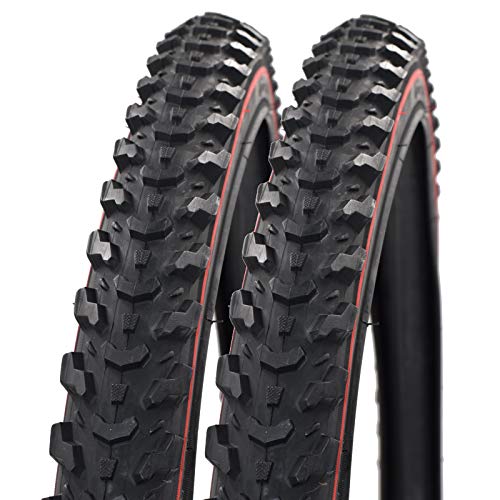

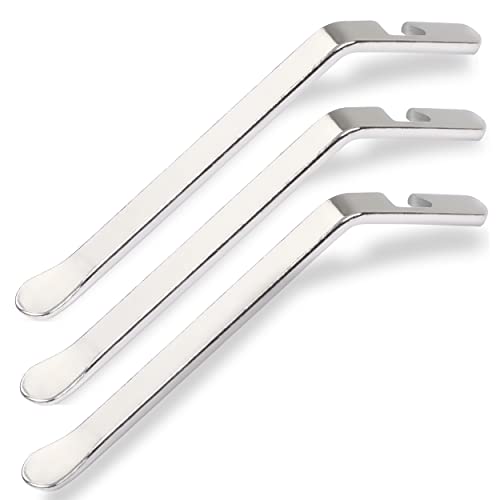


How to Choose MTB Tyres
1. Wheel size
The tyre must match your rim diameter: 26″, 27.5″ (650b) or 29″. The size is printed on your current tyre’s sidewall.
2. Width
Most modern trail bikes use 2.3–2.5″ tyres. Wider tyres add grip and comfort but weigh more. Check your frame and fork clearance and your rim’s internal width.
3. Casing
Light casings roll fast but cut more easily. Reinforced casings resist pinch flats and sidewall cuts and support lower pressures, which makes them ideal for rocky trails and heavier riders.
4. Rubber compound
Softer compounds grip better but wear faster. Many riders run a softer, grippier tyre up front and a harder-wearing one at the rear.
5. Tubeless-ready
Tubeless tyres with sealant let you run lower pressure with fewer flats, which is the single biggest grip upgrade for most riders.
Front vs Rear Tyre
The front tyre steers and gives you cornering grip, so choose its grip first. The rear tyre drives and brakes and wears faster, so a slightly faster-rolling, harder-wearing tread often works best there.
Get the Pressure Right
Even the best tyre performs badly at the wrong pressure. Start with our MTB tyre pressure chart and fine-tune on the trail.
FAQ
How often should I replace mountain bike tyres?
Replace them when the centre knobs are worn down or rounded, the side knobs are torn, or the casing is cut. Rear tyres usually wear out well before front tyres.
Are 26″ tyres still available?
Yes. Most major brands still make popular treads in 26″, although the newest models usually launch in 27.5″ and 29″ first.
Can I put wider tyres on my mountain bike?
Often a little wider, yes. Check that there are at least a few millimetres of clearance around the tyre in the frame and fork, including when the tyre is muddy.
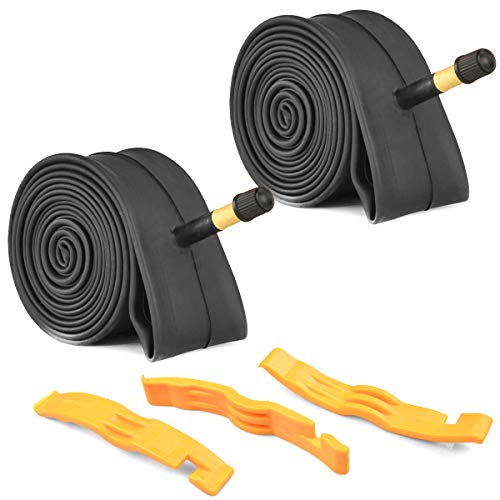
Related: Puncture-resistant tyres · Puncture repair kits

Hi, I am Emam Hasan — founder and editor of BrokeMountain. I oversee this blog’s hiking, camping and outdoor gear guides, making sure every article is well-researched, accurate and genuinely helpful for your time on the trail. Enjoy it!