Quick answer: under $1,000 you can buy a genuinely trail-capable hardtail mountain bike from an established brand: an aluminium frame, an air or decent coil fork with around 100–130 mm of travel, hydraulic disc brakes and a 1x (single chainring) drivetrain. Under $500 you are mostly looking at entry-level bikes for paths, gravel and easy trails. At either budget, avoid cheap full-suspension bikes; a good hardtail will ride better and last longer.
BrokeMountain is reader-supported. We may earn a commission when you buy through links on this page, at no extra cost to you. Learn more.
What your money gets you
| Budget | What to expect | Best for |
|---|---|---|
| Under $500 | Steel or aluminium frame, basic coil fork, mechanical disc brakes, 2x or 3x gearing | Bike paths, fire roads, gravel, easy singletrack |
| $500–$800 | Lighter aluminium frame, better coil or entry air fork, hydraulic brakes on some models | Regular trail riding, beginners who want to progress |
| $800–$1,000 | Trail geometry, air fork with lockout, hydraulic brakes, 1x drivetrain, dropper-post routing | Proper singletrack, rocky and rooty trails |
Features that matter most
1. A frame that fits
Fit matters more than any component. Use the manufacturer’s size chart based on your height and, if possible, test-ride a size before you buy. Modern trail geometry (a slacker head angle and longer reach) makes a bike more stable and confident on descents.
2. Brakes
Hydraulic disc brakes are the single most important upgrade at this price. They are more powerful, easier on your hands and need less adjustment than cable brakes. Shimano MT200 and similar entry hydraulic brakes are common on bikes from about $600.
3. The fork
Cheap coil forks are heavy and do little on real trails. An air fork lets you adjust the spring for your weight and usually has better damping. If your budget only allows a basic coil fork, choose a bike with a simple, reliable model and plan to ride mostly smoother trails.
4. Drivetrain
A 1x drivetrain (one chainring, a wide-range cassette) is simpler, lighter and easier to use than 2x or 3x. Shimano Deore, Cues or SRAM SX/NX level parts are good to find at this price.
5. Wheel size
29-inch wheels roll over obstacles more easily and suit taller riders and longer rides. 27.5-inch wheels feel more nimble and suit smaller riders. Many brands now size wheels to frame size.
6. Upgrade path
Look for internal dropper-post routing and a tapered head tube. These let you add a dropper post or a better fork later.
Long-running models worth looking at
These models from established brands have stayed in their ranges for years and are a good starting point. Specs and prices change every model year, so check the current version and your local dealer or the brand’s site.
- Trek Marlin (5, 6 and 7): popular hardtails from entry level to genuine trail bike.
- Specialized Rockhopper: a well-built hardtail with good sizing options.
- Giant Talon: value-focused hardtail with hydraulic brakes on most versions.
- Marin Bobcat Trail: trail-oriented geometry at a fair price.
- Polygon Xtrada and Cascade, Calibre, Vitus and Co-op DRT: direct-sale and store brands that often give more parts for the money.
Under $500: how to choose wisely
- Choose a hardtail, not a cheap full-suspension bike.
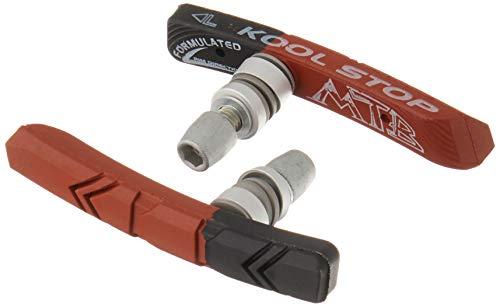
- Mechanical disc brakes are fine; skip V-brakes if you ride in wet weather.
- A rigid fork is better than a very cheap, heavy suspension fork for gravel and paths.
- Consider a quality used bike: $500 can buy a bike that cost $1,000 new a few years ago.
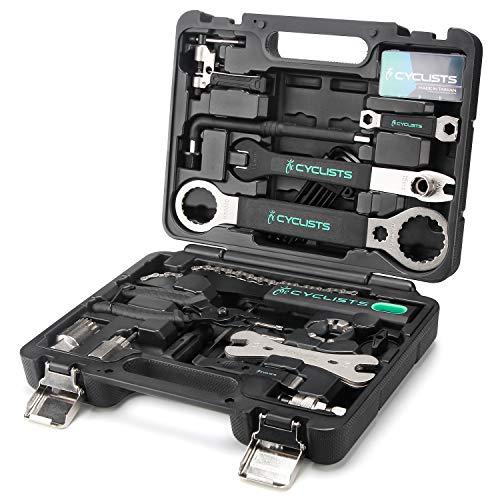
- Budget for a helmet, gloves, a pump and a basic tool kit.
Buying online vs a bike shop
Bike shops build the bike properly, help with sizing and give you a free first service, which is worth a lot for a first bike. Online brands give you more parts for the money, but you will need to do final assembly and adjustment yourself or pay a shop to check it.
What to buy with your bike
- A properly fitted helmet
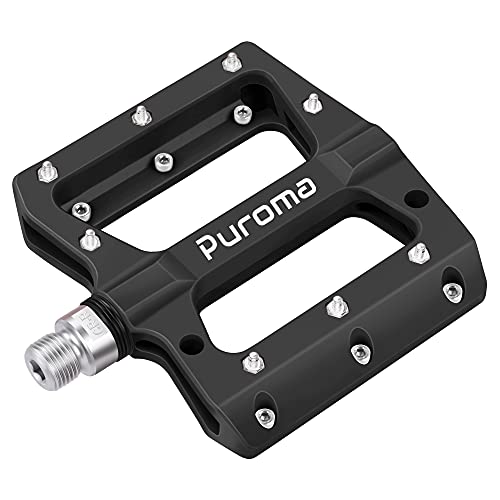
- Flat pedals with grip or clipless pedals
- A mini pump, spare tube and tyre levers
- Padded shorts or liner shorts for longer rides
Frequently asked questions
Is a $1,000 mountain bike worth it?
Yes, for anyone who wants to ride real trails. You get hydraulic brakes, a better fork and a frame worth upgrading.
Can a bike under $500 handle trails?
It can handle easy trails, fire roads and gravel. On rocky, steep or technical trails, budget forks and brakes reach their limits quickly.
Hardtail or full suspension under $1,000?
A hardtail. At this price, full-suspension bikes use low-quality shocks and pivots that make them heavier and less reliable.
Should I buy used?
A used bike can be great value. Check the frame for cracks, the fork for leaks and the drivetrain for wear, and ideally bring a knowledgeable friend.
Keep reading
- Best Hydraulic Disc Brakes for Mountain Bikes
- Best Mountain Bike Saddles for Comfort
- All gear buying guides

Hi, I am Emam Hasan — founder and editor of BrokeMountain. I oversee this blog’s hiking, camping and outdoor gear guides, making sure every article is well-researched, accurate and genuinely helpful for your time on the trail. Enjoy it!