Quick answer: for night mountain biking, use two lights: a wide bar-mounted light for the trail ahead and a helmet light that points wherever you look. A helmet light of around 600–1,200 lumens, weighing under about 200 g with its battery, is the sweet spot for most riders. Check the run time on the mode you will actually use, and make sure the mount is secure and the light is easy to switch with gloves on.
BrokeMountain is reader-supported. We may earn a commission when you buy through links on this page, at no extra cost to you. Learn more.
Why use a helmet-mounted light?
A handlebar light only points where the bike points. On twisty trails you need to see into corners before you turn, and a helmet light does exactly that. It also lights up obstacles at head height, such as branches. The best set-up is a powerful bar light with a wide beam plus a lighter helmet light with a narrower, longer-reaching beam.
What to look for
Brightness (lumens)
| Use | Helmet light output |
|---|---|
| Commuting and visibility | 200–400 lumens |
| Easy trails at night | 400–800 lumens |
| Technical trails, faster riding | 800–1,500 lumens |
| As your only light | 1,000+ lumens (not ideal; add a bar light) |
Lumen claims on cheap lights are often inflated. A well-known brand rated at 800 lumens may be brighter than an unbranded light claiming 2,000.
Beam pattern
Helmet lights work best with a focused, spot-style beam that reaches far down the trail. Bar lights should be wider so they light up the whole path.
Weight and balance
Heavy lights pull your helmet forward and can make your neck sore. Look for an all-in-one light under about 150 g, or a light with a separate battery you can mount at the back of the helmet or in a pack.
Run time and battery
Check how long the light runs on its medium setting, not just on low. For a two-hour ride you want at least two hours on the setting you will use most. USB-C charging and a battery level indicator are very handy.
Mount and controls
A strap mount fits most vented helmets. GoPro-style mounts are sturdier on helmets that support them. Large buttons that you can press with gloves are important at night.
Water resistance
Look for at least an IPX4 rating for rain; IPX6 or above is better for UK-style wet weather and stream crossings.
Our picks
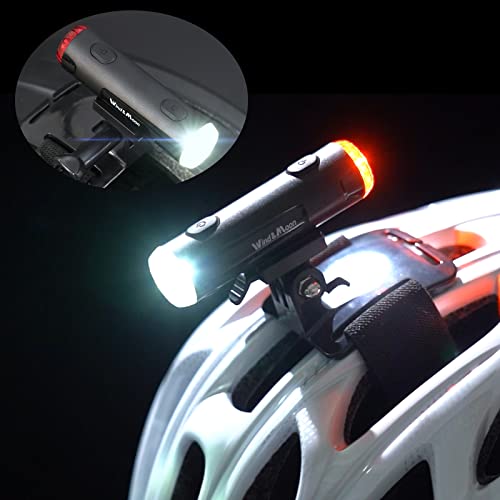
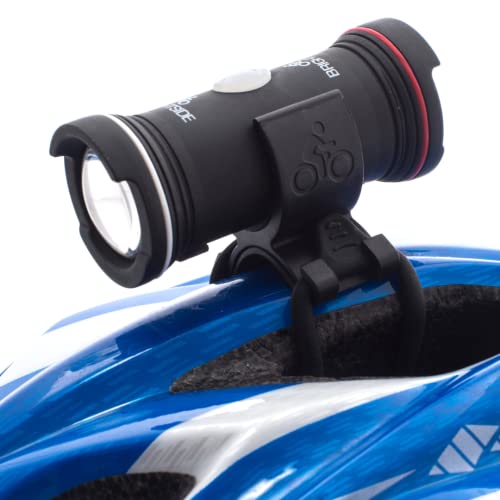
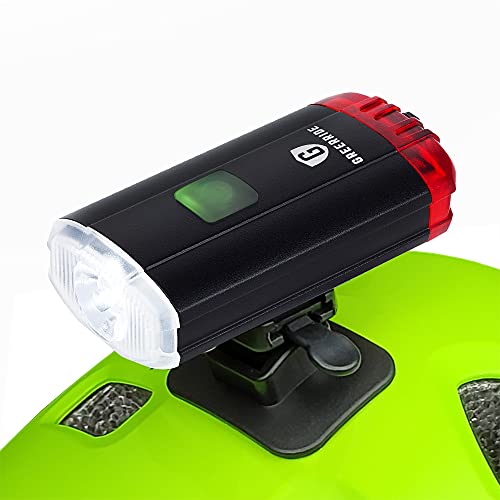
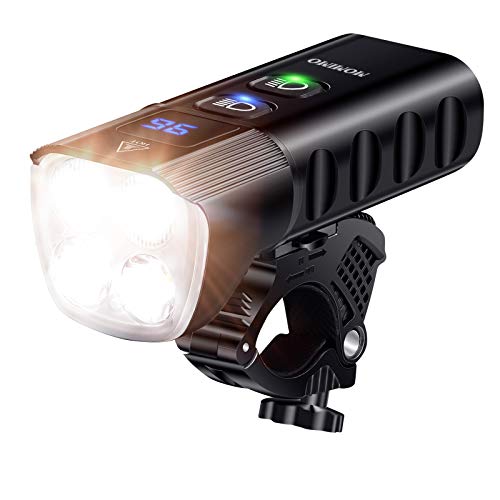
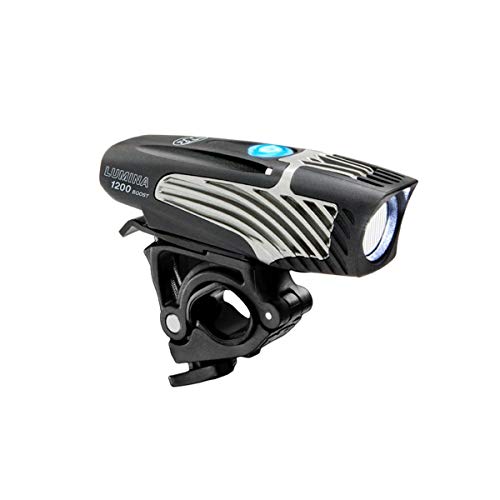
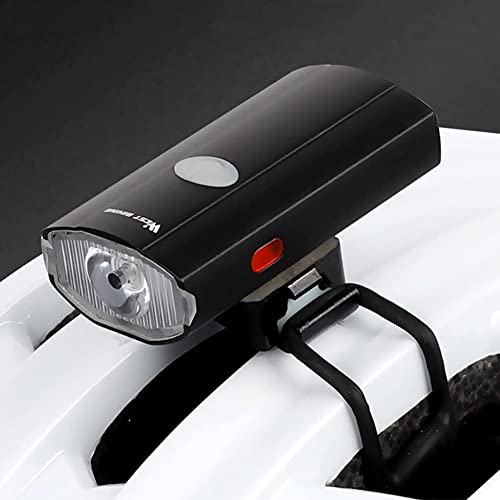
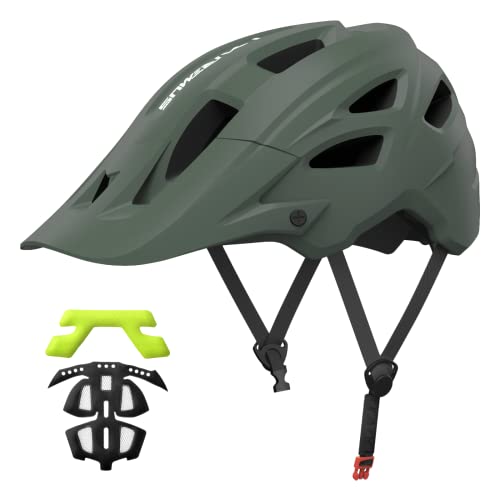
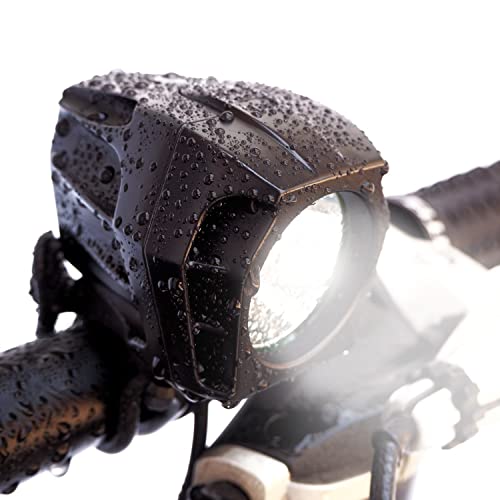
We compared these lights for real-world brightness, beam pattern, weight, run time, mounting and water resistance. NiteRider’s Lumina series is a trusted trail light; the budget options are great for commuting, visibility or as a back-up, but for fast night trail riding a name-brand light is worth the extra money.
Night riding tips
- Ride trails you know well on your first night rides.
- Carry a small back-up light in case your main battery runs out.
- Angle the helmet light slightly lower than the bar light so beams overlap.
- Dip your helmet light when talking to other riders to avoid dazzling them.
Frequently asked questions
How many lumens do I need for mountain biking at night?
Around 1,000–2,000 lumens combined between bar and helmet lights works well for most trails.
Can I use a helmet light alone?
Yes for slow riding, but you lose depth perception because the light comes from your eye line. Adding a bar light makes shadows that show the shape of the trail.
Are helmet lights safe on the road?
Yes, but use a low setting and point it down so you don’t blind drivers or other cyclists.
Keep reading

Hi, I am Emam Hasan — founder and editor of BrokeMountain. I oversee this blog’s hiking, camping and outdoor gear guides, making sure every article is well-researched, accurate and genuinely helpful for your time on the trail. Enjoy it!