Quick answer: to travel in Europe with a disability or limited mobility, sort out travel insurance that covers your mobility equipment, request free passenger assistance at least 48 hours before flights and train journeys, book step-free accommodation and confirm it directly with the hotel, and pack spare parts and a repair kit for your wheelchair. The checklist below covers each step.
Europe is one of the most rewarding places to travel, and with the right preparation it’s very achievable if you use a wheelchair or have limited mobility. This guide brings together the Europe travel checklists that matter most for accessible travel, so you can plan with less uncertainty.
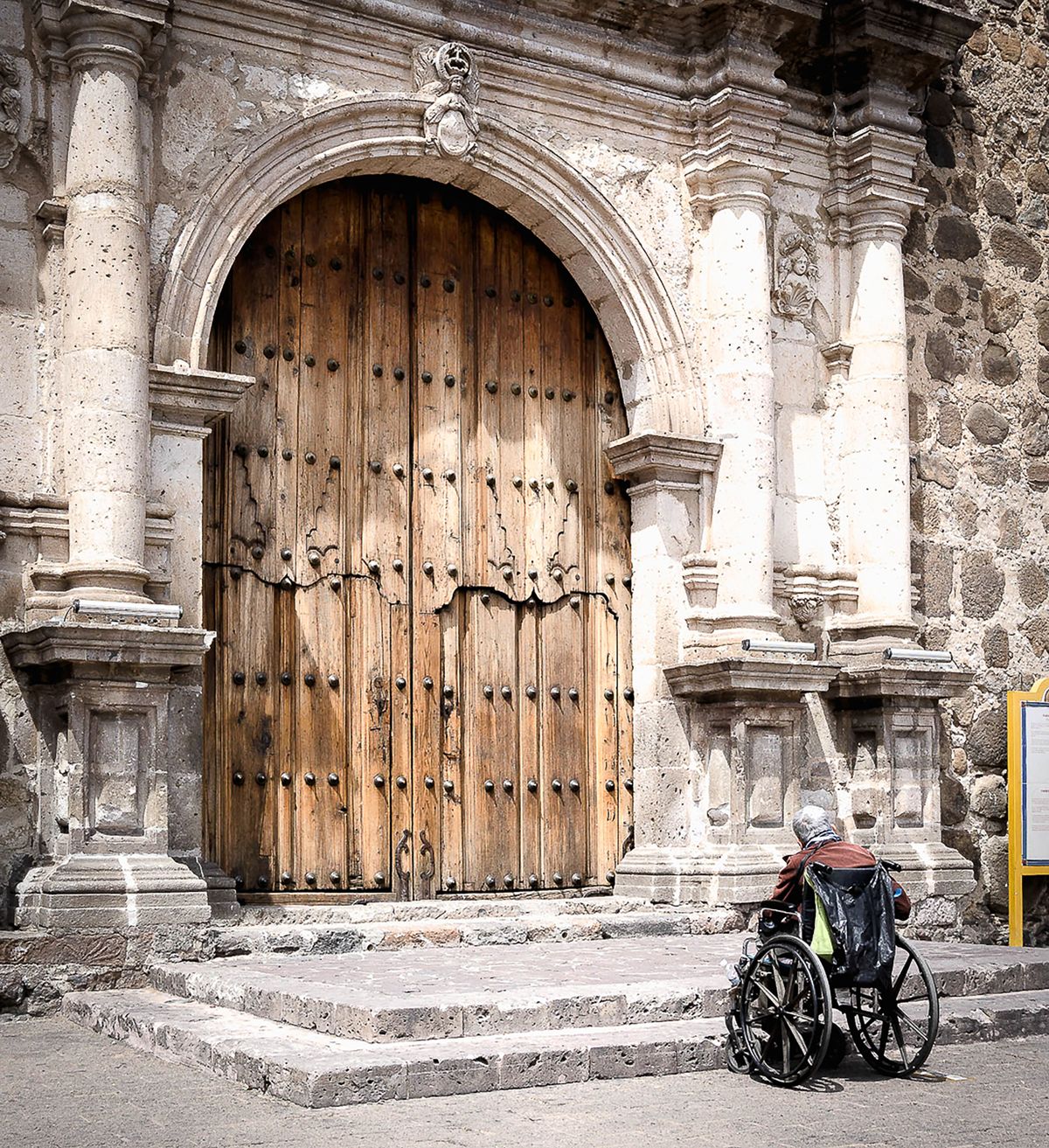
Many historic European centers feature cobblestones and narrow doorways, while modern accessibility rules have made major cities easier to navigate. Thorough advance research helps travelers with disabilities or reduced mobility enjoy the culture, history, and food Europe offers.
Understanding your rights and organizing key logistics before departure removes much of the guesswork from overseas travel. A structured approach lets you focus on the trip itself, rather than solving every access problem on arrival.
Essential Documents and Insurance for Accessible European Travel
Securing Medical Records and Specialized Coverage
Before traveling abroad, assemble all essential medical documentation and check that your health records are up to date. Carrying a letter from your physician outlining your medical conditions, required accommodations, and equipment specifications can make border, airline, and hotel conversations much easier.
Standard travel insurance policies often exclude pre-existing medical conditions or specialized mobility equipment. Look for a policy that clearly covers emergency care and potential equipment damage, and read the exclusions before you buy.
Keep digital copies of your passport, medical records, and insurance documents stored securely on your phone and in cloud storage. Keep physical copies separate from your main luggage, in case of loss or transit delays.
Check prescription medication rules for every country on your itinerary before departing. Keep medications in their original pharmacy packaging, with labels that match your physician documentation.
Understanding Advance Notice Rules and Passenger Rights
European Union rules give travelers with disabilities the right to free assistance across many public transport modes. Accessing that assistance usually requires notifying the operator in advance, so check the exact window when you book.
Airports and airlines commonly ask for at least 48 hours notice to coordinate boarding assistance and mobility equipment handling. Rail operators commonly ask for at least 24 hours notice, although some ask for longer, and they are expected to make reasonable efforts to help even without prior notice.
Companion seating and accessible arrangements depend on vehicle layout and availability, rather than automatic class upgrades. Always confirm specific seating arrangements directly with the transport provider during booking.
| Transport mode | Notice often requested | What to confirm | Planning tip |
|---|---|---|---|
| Air travel | 48 hours | Boarding help and equipment handling | Keep your own wheelchair until the aircraft gate where possible |
| Rail travel | 24 hours, sometimes longer | Station transfer and boarding help | Arrive at the designated meeting point well before departure |
| Bus and coach | Often 36 hours on long-distance routes | Ramp use and wheelchair bay size | Check ramp and bay dimensions in advance |
| Ferry and maritime | Often 48 hours | Port help and accessible cabin booking | State equipment power needs and companion seating when reserving |
Long-distance bus and ferry services also provide step-free boarding and port or terminal support when assistance is requested in good time. The safest approach is to request help at booking, then reconfirm it a few days before travel.
Choosing Accessible Lodging and European Cities to Visit
Evaluating Hotel Accessibility Standards and Infrastructure
Selecting the right hotel involves evaluating both the room and the surrounding neighborhood. Many historic European hotels feature narrow stairwells or small elevators that may not suit a standard power wheelchair.
Look for hotel chains that publish a detailed accessibility standard, and ask how it applies to the specific room you will use. Before booking, request exact doorway measurements and photos of the bathroom, including grab bar placement and roll-in shower access.
Confirm that the path from the street entrance to the lobby is step-free, and ask about elevator size and any thresholds. European cities vary significantly in accessibility, so research the neighborhood as carefully as the hotel itself.
Cities such as Barcelona, Vienna, London, and Berlin are often discussed for step-free transport, accessible taxis, and venue information. Treat such examples as a starting point for research, and check current routes, stops, and attractions for your dates rather than assuming every site is accessible.
Wheelchair Packing, Equipment Rental, and Emergency Repairs
Preparing Mobility Gear for Air Transit and European Streets
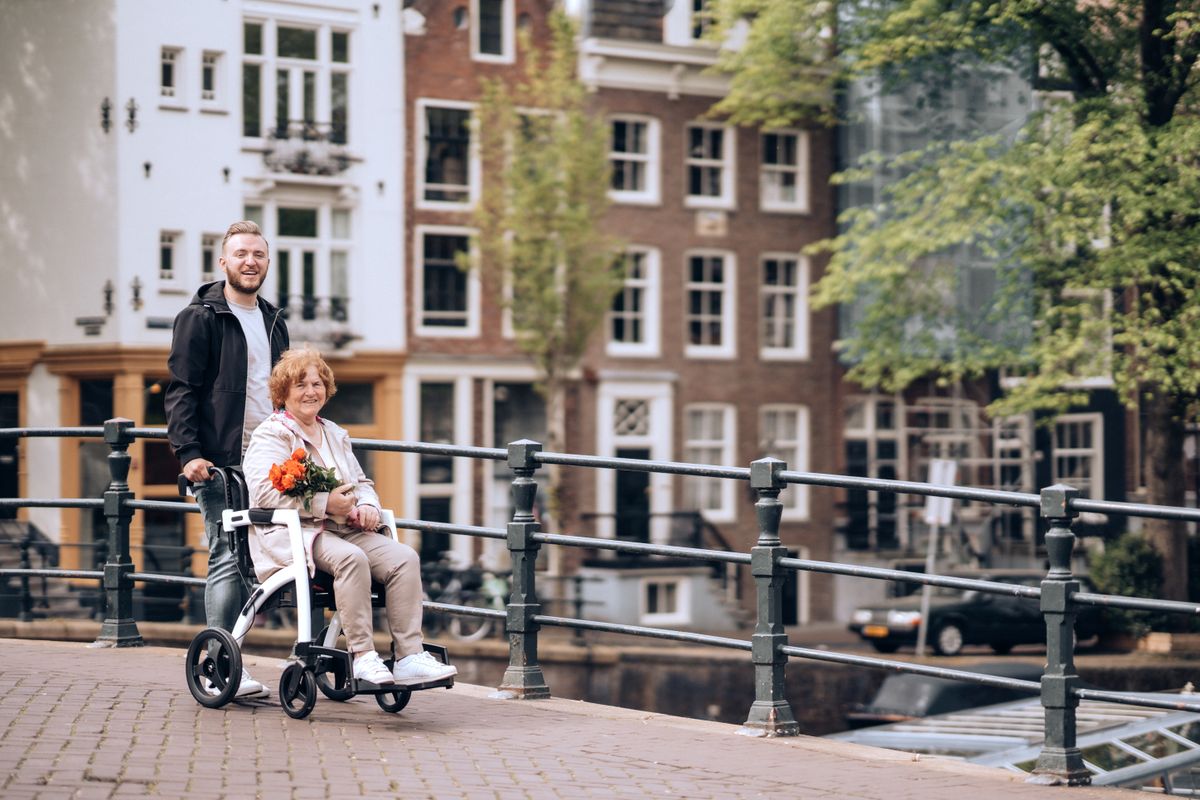
Preparing mobility gear for international transit requires careful planning and protection against damage. When flying, keeping your personal wheelchair until the aircraft gate can reduce transit risk and help you stay independent.
Pack essential spare parts, including tire tubes, replacement footrests, specialized wrenches, and a power adapter for battery chargers. Local bicycle repair shops in many European cities can help with quick tire fixes and mechanical adjustments.
Consider bringing a lightweight portable ramp to navigate single steps at historic shops and restaurants. If you travel with heavy equipment, research local medical equipment suppliers in advance to arrange rental wheelchairs, hoists, or shower chairs on arrival.

For power wheelchairs, verify battery specifications and airline transport approvals well before departure. Lithium-ion and sealed gel batteries may require specific documentation and disconnect procedures during flight handling.
Health, Hygiene, and Safety Guidelines for European Travel
Managing Medical Care and Daily Restroom Access
Maintaining personal health and hygiene on the road requires proactive planning of daily routines. European tap water and sanitation standards are generally high, but long travel days still demand careful planning around restroom access.
Public accessible restrooms in some European cities use a key system, so check local arrangements before a long day out. Carrying a small emergency kit with extra garments, sanitizing wipes, and portable hydration can bring peace of mind during full-day excursions.
Connecting with local disability organizations in your destination cities can provide useful on-the-ground insight. Local groups can recommend accessible dining routes, quiet resting areas, and emergency medical support if needed.
Comprehensive Before-You-Leave Checklist
- Confirm physician letters, medical summaries, and detailed prescription lists.
- Purchase specialized travel insurance covering pre-existing conditions and mobility gear.
- Submit transport assistance requests in good time, and reconfirm them before travel.
- Request exact hotel doorway dimensions, elevator sizes, and roll-in shower photos.
- Pack wheelchair power adapters, spare inner tubes, repair tools, and battery transport documents.
- Download accessible city transit maps, local access apps, and offline navigation tools.
- Verify accessibility for key museums, restaurants, and historical sites.
Key Takeaways
- Advance notice is commonly required to secure free transport assistance in the EU, so request help at booking.
- Thorough neighborhood research helps you avoid unexpected obstacles such as steep hills or heavy cobblestones.
- A published hotel accessibility standard is useful only when you verify it against your specific room.
- Carrying spare parts and knowing local repair options can turn a small breakdown into a short delay.
Next Steps for Your European Adventure
Now that you have reviewed these accessible Europe travel checklists, begin drafting your personalized itinerary. Contact your chosen airlines, rail operators, and hotels early to lock in accessible accommodations and transit assistance.
Start with one city and one route, confirm the details that matter most to you, and build the rest of the trip around what you have verified. That slower, checked approach is often what turns an ambitious European trip into a manageable one.
FAQ
Is Europe wheelchair accessible?
It varies by country and by city. Newer infrastructure, major airports and many rail networks are generally accessible, while historic old towns can be harder to get around. Research each destination and contact hotels and attractions directly.
Do I have rights to assistance when flying or taking the train in the EU?
Yes. EU passenger-rights rules give travellers with disabilities or reduced mobility the right to free assistance on air, rail, bus and ferry travel, usually when it’s requested in advance. See the official EU passenger rights page.
How far in advance should I book assistance?
Many operators ask for at least 48 hours’ notice, and some trains need 24–48 hours. Book assistance when you book your ticket and reconfirm a few days before you travel.

Hi, I am Emam Hasan — founder and editor of BrokeMountain. I oversee this blog’s hiking, camping and outdoor gear guides, making sure every article is well-researched, accurate and genuinely helpful for your time on the trail. Enjoy it!