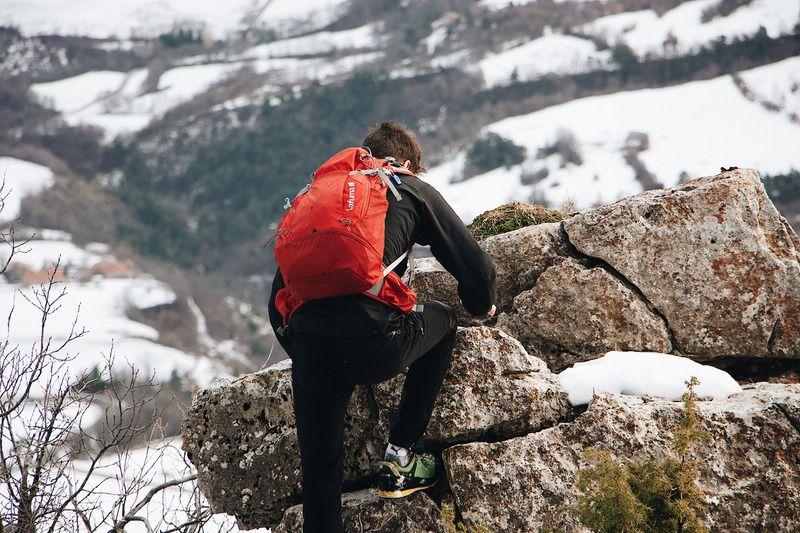
Hiking boots can be good for everyday use, especially if you walk on uneven ground, spend time outdoors, or want more foot protection than ordinary sneakers provide. They usually offer durable materials, deeper tread, and more support than casual shoes.
However, hiking boots are not ideal for every daily activity. They may be heavier, stiffer, warmer, and less flexible than walking shoes or sneakers. Wearing them all day on smooth floors or pavement can feel uncomfortable and may cause unnecessary fatigue.
The best choice depends on where you walk, how long you wear them, the weather, and how well the boots fit.

When Hiking Boots Work Well for Daily Wear
Hiking boots can be practical for everyday use when your routine includes conditions similar to hiking.
They may work well for:
- Walking on dirt roads and gravel paths
- Commuting in wet or snowy weather
- Working outdoors
- Gardening and yard work
- Camping and travel
- Walking on uneven sidewalks
- Visiting places with rough or muddy ground
- Daily use during colder months
The higher level of protection can be useful when you regularly encounter stones, puddles, roots, or loose surfaces. A sturdy outsole may also provide more grip than a casual shoe.
For people who spend much of the day outdoors, one well-fitting pair of hiking boots can be more practical than switching between several types of footwear.
Benefits of Wearing Hiking Boots Every Day
Better Protection
Hiking boots often have reinforced toe areas and stronger uppers than ordinary sneakers. These features can protect your feet from small impacts, rough surfaces, and accidental contact with objects.
A more substantial sole can also reduce the pressure caused by gravel, broken pavement, and uneven ground.
More Traction
Hiking boot outsoles usually have deeper tread than casual shoes. This can improve grip on wet grass, dirt, mud, and loose ground.
Traction still depends on the outsole design and surface. Deep tread does not guarantee grip on smooth wet floors, polished stone, or ice.
Weather Resistance
Many hiking boots are water-resistant or waterproof. This can be useful during rain, winter commutes, and walks through wet vegetation.
Waterproofing has limitations. Water can enter over the top of the boot, through damaged seams, or during deep puddles and crossings. Waterproof boots may also feel warmer than non-waterproof shoes. For wet days, see the guide to wearing hiking boots in the rain.
Ankle Coverage
Some hiking boots extend above the ankle and provide a greater sense of support on uneven ground. This can be useful for outdoor work or walking across rough surfaces.
Ankle height does not guarantee injury prevention. A secure fit, suitable tread, balance, and careful foot placement also matter.
Durability
Hiking boots are generally made for repeated contact with rough terrain. Their uppers, soles, and stitching may withstand daily outdoor use better than lightweight fashion shoes.
Durability varies considerably. A lightweight hiking shoe may wear faster than a robust boot, while a well-made casual shoe may last longer when used only on pavement.
Drawbacks of Everyday Hiking Boot Use
They Can Feel Heavy
Hiking boots often weigh more than sneakers or walking shoes. The difference may not seem important at first, but it can become noticeable after standing or walking for many hours.
Heavy footwear can also feel tiring during errands, travel, or long periods on hard floors. If you do not need extra protection, a lighter shoe may be more comfortable. The question of whether hiking boots should be heavy or light matters even more when you wear them all day.
They May Be Too Stiff
Many hiking boots have firm soles and structured uppers. This helps protect the foot on rough ground, but it can limit natural movement on smooth surfaces.
A stiff boot may feel awkward while driving, climbing stairs, or walking quickly through a city. Lightweight hiking shoes usually provide more flexibility than traditional boots.
They Can Become Hot
Waterproof membranes, leather uppers, insulation, and thick padding can reduce airflow. Your feet may sweat more when wearing these boots indoors or in warm weather.
Warmth can be helpful during winter, but it may become uncomfortable in summer. Breathable materials are often a better choice for hot conditions.
They May Take Time to Dry
A wet hiking boot can remain damp for a long time, particularly if it has thick padding or a waterproof membrane. This can cause discomfort and contribute to odor.
Dry boots away from intense direct heat, which can damage some materials and adhesives. Follow the care instructions supplied by the manufacturer.
They Can Be Unnecessary on Smooth Surfaces
The extra protection of hiking boots is less useful on office floors, paved sidewalks, and indoor spaces. In these settings, flexible walking shoes may provide all the comfort and grip you need.
Using a boot that is more substantial than necessary can make ordinary movement feel harder without providing a meaningful benefit.
Hiking Boots Versus Everyday Shoes
The right comparison is not always “hiking boots or sneakers.” Several types of footwear may work for daily use.
Traditional Hiking Boots
These usually have a mid- or high-cut design, protective uppers, and relatively stiff soles. They are useful for rough conditions, outdoor work, and cold or wet weather.
They may be excessive for commuting, shopping, or office use, especially if you spend most of the day indoors. A heavier design also raises the question of what is the ideal hiking boot weight for daily wear.
Lightweight Hiking Shoes
Low-cut hiking shoes often provide a useful middle ground. They may have hiking-style tread and protection while remaining lighter and more flexible than boots.
They can work well for travel, daily walks, casual outdoor activities, and light trails.
Trail-Running Shoes
Trail-running shoes are usually lightweight and breathable, with tread designed for dirt and uneven ground. They may be a good choice for active daily use in warm weather.
They generally provide less ankle coverage and may wear faster when used heavily on pavement.
Walking or Casual Shoes
Walking shoes are often lighter and more flexible than hiking boots. They are usually more comfortable on pavement and indoor floors, but they may provide less protection and weather resistance.
For a routine that is mostly urban, a walking shoe may be more practical than a hiking boot.

How to Choose Hiking Boots for Daily Use
If you plan to wear hiking boots regularly, choose a model that matches your daily environment rather than selecting the most rugged design available.
Consider the Surface
For pavement and indoor floors, look for a boot with a comfortable sole and moderate tread. Very aggressive lugs may feel awkward on hard surfaces and can wear more quickly.
For dirt paths, gravel, and muddy ground, deeper tread and stronger protection may be worthwhile.
Consider the Climate
In warm weather, prioritize breathability and lower weight. In wet weather, water resistance may be more important.
A waterproof boot can be useful in rain, but it may feel too warm in a dry summer. If you live in a variable climate, a breathable non-waterproof pair may be more versatile.
Consider the Fit
A boot used daily should fit comfortably from the first wear. You should not need to tolerate constant rubbing, toe pressure, or heel movement.
When trying on boots:
- Wear the socks you normally use.
- Try both boots.
- Check that your heel stays secure.
- Make sure your toes have room to move.
- Walk on both hard and uneven surfaces.
- Test the boots with any insoles you plan to use.
- Check for pressure around the ankle and top of the foot.
A guide to choosing hiking boots and shoes can help you compare fit, support and sole design. Do not buy a boot that causes pain with the expectation that it will eventually become comfortable. Some materials soften, but an incorrect shape or size usually remains a problem.
Are Hiking Boots Good for Work?
Hiking boots may be suitable for outdoor work that involves walking over uneven or muddy ground. They can provide useful traction and protection for landscaping, property maintenance, camping work, and similar activities.
They are not automatically appropriate for every job. If your workplace requires safety-toe protection, puncture resistance, electrical protection, slip resistance, or another certified feature, ordinary hiking boots may not meet those requirements.
Check your employer’s footwear rules and the boot’s safety markings. Hiking boots should not be treated as a substitute for work boots when certified protection is required.
Are Hiking Boots Good for Travel?
Hiking boots can be useful for travel when your trip includes walking trails, rural roads, or wet weather. Wearing them during travel can also save space in your luggage.
However, bulky boots can be inconvenient in airports, warm destinations, and cities. They may also be uncomfortable during long periods of sitting.
If you plan to travel with hiking boots, wear them on shorter outings first and ensure they are comfortable for both walking and ordinary daily activities. A lightweight hiking shoe may be easier to use across a wider range of situations. For seasonal advice, see advice on when to switch from trail runners to hiking boots in autumn weather.
Caring for Boots Used Every Day
Daily wear creates more dirt, moisture, and friction than occasional hiking. Regular care can help maintain comfort and performance.
- Remove dirt after outdoor use.
- Allow the boots to dry fully before wearing them again.
- Use a shoe tree or loosen the laces to help the boots maintain their shape.
- Do not dry them against a radiator or with intense direct heat.
- Clean and condition leather only with products suitable for that leather.
- Check the tread for wear.
- Inspect seams, eyelets, laces, and the heel area.
- Replace worn insoles when necessary.
Rotating between two pairs can give each pair more time to dry and recover. This may also extend the useful life of both pairs.
Signs Your Hiking Boots Are Not Suitable for Daily Use
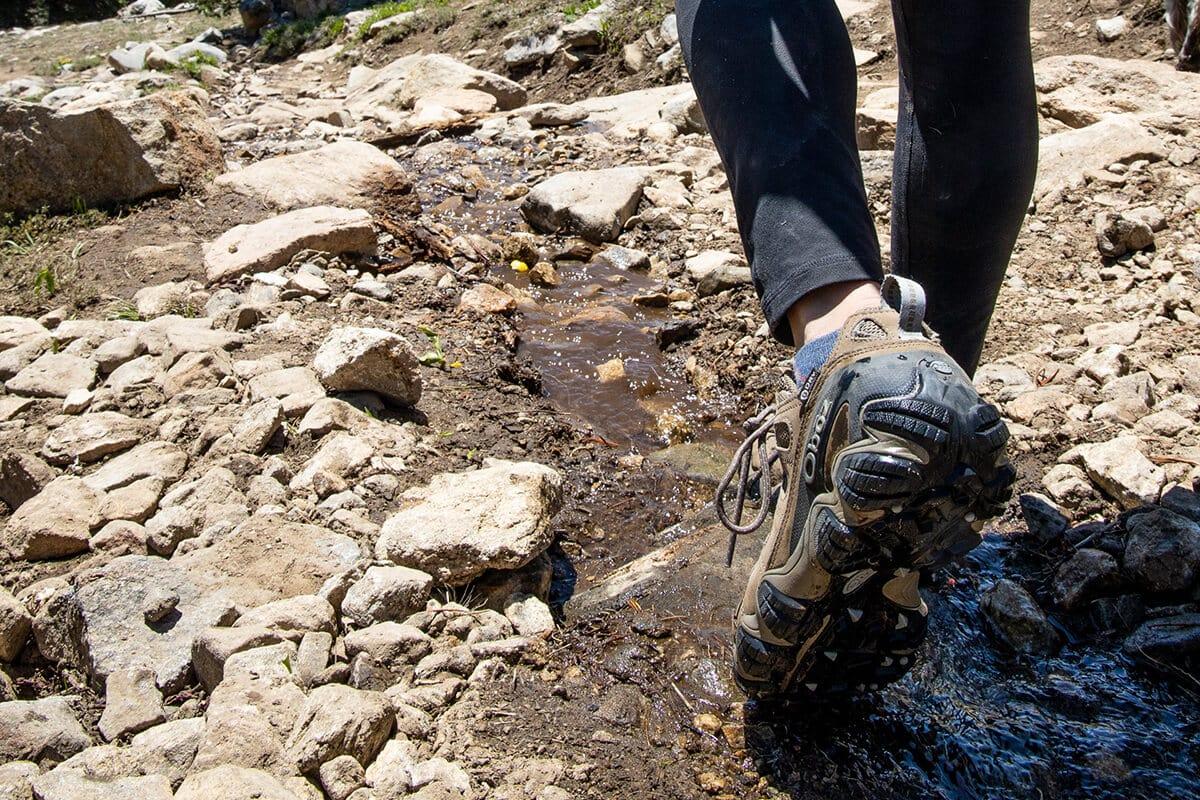
Your boots may not be a good everyday choice if they cause:
- Persistent heel rubbing
- Numbness or tingling
- Toe pressure
- Excessive sweating
- Foot pain on smooth surfaces
- Unusual leg fatigue
- Slipping inside the boot
- Difficulty walking naturally
- Pain when driving or climbing stairs
These problems can sometimes be improved with different socks, lacing, or insoles. If they continue, choose a different shoe rather than forcing yourself to wear the boots.
A Practical Comparison
| Feature | Hiking boots | Walking shoes | Trail-running shoes |
|---|---|---|---|
| Protection | Usually high | Low to moderate | Moderate |
| Weight | Moderate to heavy | Usually light | Usually light |
| Ankle coverage | Low, mid, or high | Usually low | Usually low |
| Traction | Designed for outdoor ground | Designed mainly for pavement | Designed for trails |
| Flexibility | Low to moderate | Usually high | High to moderate |
| Weather resistance | Often available | Varies | Varies |
| Best everyday setting | Outdoor, wet, uneven, or cold conditions | Urban and indoor use | Active outdoor use |
The best option depends on your routine. A person who walks on muddy paths every day has different needs from someone who spends most of the day in an office.
Key Takeaways
- Hiking boots can be good for everyday use when you walk on uneven, wet, or rough surfaces.
- They provide more protection, traction, and weather resistance than many casual shoes.
- They may feel heavy, stiff, warm, or unnecessary on pavement and indoor floors.
- Lightweight hiking shoes are often more versatile for daily activities.
- Fit is more important than boot height or brand.
- Waterproof boots can be useful in rain but may reduce breathability.
- Hiking boots do not replace certified safety footwear when a job requires it.
- Regular cleaning and drying are important when boots are worn every day.
- Choose footwear based on your daily surfaces, climate, walking time, and comfort.
Conclusion
Hiking boots are good for everyday use when your normal routine includes outdoor walking, uneven ground, rain, mud, or cold weather. Their protection and traction can make them more practical than ordinary sneakers in those conditions.
For mostly urban or indoor use, a lightweight hiking shoe or walking shoe may be more comfortable. Choose the lightest, most flexible footwear that still provides the protection your daily activities require, and test the fit carefully before wearing it for long periods. The Hike Smart guide offers a useful reminder to plan for conditions, water and navigation before a long hike.
For everyday wear in urban settings, a pair of everyday shoes or running shoes may suit a short commute better than heavy boots, while everyday footwear with good ankle support remains useful on uneven ground.

Hi, I am Emam Hasan — founder and editor of BrokeMountain. I oversee this blog’s hiking, camping and outdoor gear guides, making sure every article is well-researched, accurate and genuinely helpful for your time on the trail. Enjoy it!