Australia has no single “best” hike for every person. The country includes tropical rainforests, alpine mountains, red desert ranges, rugged coastlines, and long-distance trails, so the right choice depends on your experience, fitness, available time, season, and preferred scenery.
For some hikers, the best Australian trail is a challenging alpine route. Others may prefer a coastal walk, a rainforest circuit, a desert canyon, or a well-supported multi-day trail. A good hike is not just beautiful; it should also match your skills and preparation.
This guide compares several outstanding Australian hikes and explains how to choose the right one for your trip.
What Makes a Hike the Best?
A great hike usually combines scenery, route quality, reasonable access, and a level of challenge suited to the hiker. The most famous trail is not automatically the best option for every visitor.
Consider:
- Landscape and scenery
- Trail length
- Elevation gain
- Surface and technical difficulty
- Weather
- Water availability
- Camping or accommodation
- Transport and access
- Permits and bookings
- Mobile coverage
- Your experience and fitness
A short trail with reliable access may be a better choice than a remote route that requires more equipment and experience. Current conditions also matter. Rain, heat, fire danger, snow, and storms can change the character of a trail.
Top Australian Hikes to Consider
The following routes represent different types of Australian hiking. They are not ranked in a universal order because each offers a different experience.
Overland Track, Tasmania
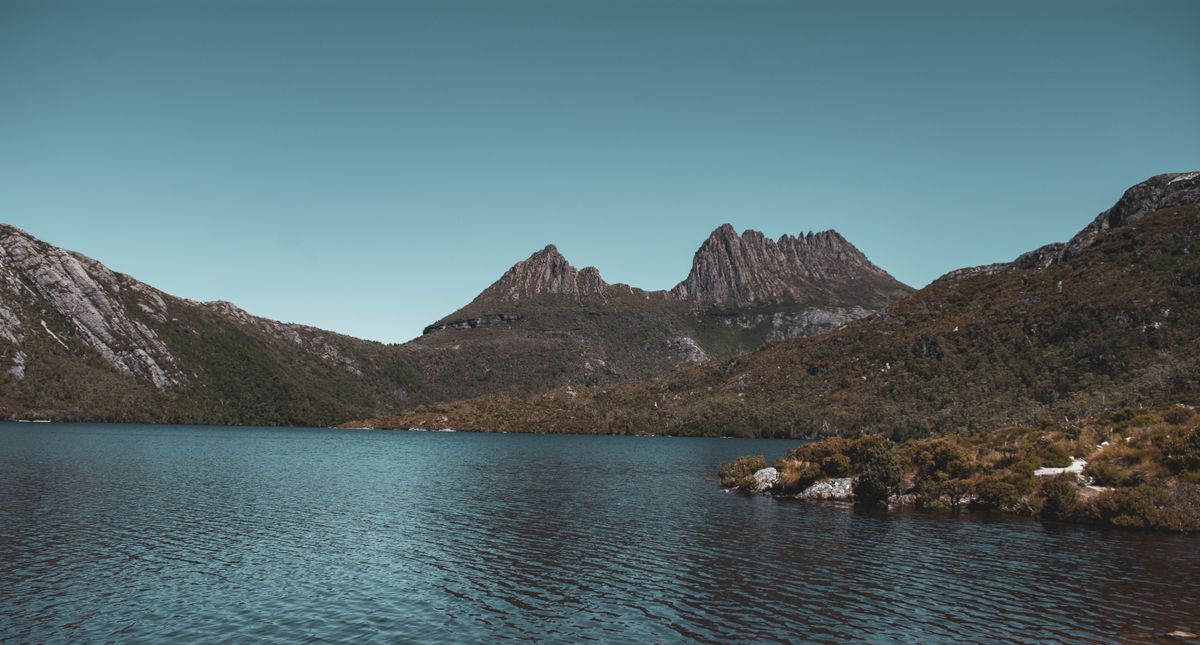
The Overland Track is one of Australia’s best-known multi-day walks. It travels through the Tasmanian Wilderness World Heritage Area, with scenery that may include mountains, forests, button grass plains, lakes, and glacial landscapes.
The route is typically completed over several days, and walkers need to prepare for changeable weather, wet ground, and limited services. Exact walking arrangements, booking requirements, seasonal rules, and permitted side trips should be checked through the official Tasmanian parks authority before departure.
Why Hikers Choose It
- Remote wilderness scenery
- Mountain and alpine environments
- Multi-day walking experience
- Established huts and campsites along the main route
- Optional side trips for prepared hikers
Important Considerations
Weather can change quickly, even during the warmer season. Carry suitable layers, waterproof protection, navigation equipment, food, and a sleeping system appropriate to the current rules and facilities.
The Overland Track is not a casual walk. Plan your pace conservatively and allow for wet or slower conditions.
Larapinta Trail, Northern Territory
The Larapinta Trail follows the West MacDonnell Ranges near Alice Springs. It offers red-rock ridges, rocky gorges, dry creek beds, and wide views across the Central Australian landscape.
The trail can be completed as a long-distance journey or explored through shorter sections and day walks. Conditions are often dry and exposed, and water planning is essential.
Why Hikers Choose It
- Desert mountain scenery
- Rugged ridges and gorges
- Flexible options for day hikes and extended trips
- Strong sense of remoteness
- Distinctive Central Australian landscapes
Important Considerations
Heat, dehydration, rough ground, and limited services can make the route demanding. Check water availability and access information carefully, and do not assume that every marked water source is reliable or safe to drink without treatment.
Carry sun protection, enough water, navigation equipment, and emergency communication suitable for the section you plan to walk.
Three Capes Track, Tasmania
The Three Capes Track is a managed multi-day walk on Tasmania’s Tasman Peninsula. It is known for coastal cliffs, forest, heathland, and ocean views.
The route has purpose-built infrastructure and operates under a booking system. Rules, fees, transport arrangements, and availability can change, so confirm current information before planning.
Why Hikers Choose It
- Dramatic coastal landscapes
- Well-developed walking infrastructure
- Multi-day experience with managed facilities
- Forest and cliff scenery
- A clear route for hikers who prefer organized logistics
Important Considerations
The track still requires suitable footwear, clothing, water planning, and preparation for rain and wind. Coastal weather can change quickly, and exposed sections may feel demanding in poor conditions.
Book well ahead when required, especially during popular travel periods.
The Larapinta and Overland Tracks Compared
Both are major Australian multi-day routes, but they offer very different environments.
| Feature | Larapinta Trail | Overland Track |
|---|---|---|
| Main landscape | Arid ranges and gorges | Temperate wilderness and alpine terrain |
| Common conditions | Heat, dryness, exposure | Rain, cold, wet ground, rapid weather changes |
| Planning priority | Water and heat management | Weather, clothing, shelter, and bookings |
| Hiking style | Remote desert walking | Forest and mountain trekking |
| Best suited to | Hikers prepared for arid conditions | Hikers prepared for wet and cool conditions |
Neither route is better for everyone. Choose based on the environment you can prepare for most effectively.
Kosciuszko National Park, New South Wales
Kosciuszko National Park provides access to Australia’s alpine landscapes. Routes in the park vary from accessible day walks to more demanding mountain journeys.
The Main Range area offers alpine scenery and high-country terrain. Conditions can include strong wind, cold temperatures, snow, ice, and limited visibility, particularly outside the warmer months.
Why Hikers Choose It
- Alpine landscapes
- Mountain views
- Day hikes and longer routes
- Distinctive high-country vegetation
- Opportunities for seasonal variation
Important Considerations
Do not judge conditions by the weather in nearby towns. Check the forecast for the specific area and prepare for cold, wind, and reduced visibility.
Snow and ice may require equipment and skills beyond ordinary hiking. If you are unfamiliar with alpine travel, choose a route and season that match your experience.
Great Ocean Walk, Victoria
The Great Ocean Walk follows Victoria’s coast through beaches, forests, cliffs, and headlands. It can be completed as a multi-day journey or explored through shorter sections.
The coast creates changing conditions. Wind, rain, tides, slippery surfaces, and unstable edges may affect the route.
Why Hikers Choose It
- Coastal views
- Beaches and forest
- Point-to-point walking
- Access to shorter sections
- Strong variety of scenery
Important Considerations
Check tide information where the route includes beaches or tidal sections. Stay away from unstable cliff edges and follow all track closures and safety signs.
Plan transport between trail sections if you are not completing the full route. Carry enough food and water for the section you choose.

Australian Alps Walking Track
The Australian Alps Walking Track crosses high-country areas of Victoria, New South Wales, and the Australian Capital Territory. It is a long-distance route requiring substantial planning and self-reliance.
Conditions vary across the track and by season. Walkers may encounter mountains, forests, remote sections, river crossings, fire-affected areas, and limited services.
Why Hikers Choose It
- Long-distance challenge
- High-country and forest scenery
- Remote walking experience
- A route suited to experienced backpackers
Important Considerations
This is not a simple continuous trail in the same way as a managed park circuit. Navigation, resupply, access, water, weather, and seasonal closures require careful research.
Use current information from land managers for each section. Carry maps and navigation tools appropriate to the route.
Kings Canyon Rim Walk, Northern Territory
The Kings Canyon Rim Walk in Watarrka National Park offers red sandstone cliffs, canyon views, sheltered areas, and distinctive desert vegetation.
The route includes a substantial climb and uneven sandstone. Heat management is essential, especially during warmer conditions.
Why Hikers Choose It
- Dramatic canyon scenery
- Shorter commitment than a multi-day trail
- Strong contrast between sandstone and desert vegetation
- Options for visitors with different walking abilities
Important Considerations
Start according to current park guidance, carry sufficient water, and avoid treating the route as an easy stroll. Check walk access, heat restrictions, and weather before setting out.
The nearby canyon-floor walk may provide an alternative for visitors who do not want to complete the rim route.
Cradle Mountain Day Walks, Tasmania
Cradle Mountain and the surrounding Tasmanian wilderness offer several day-hiking options. Routes range from accessible walks to steep, rocky, and weather-exposed mountain trails.
The area is known for lakes, forest, moorland, and alpine scenery. Conditions can change quickly, with rain, wind, cloud, and cold possible even when lower areas feel comfortable.
Why Hikers Choose It
- Alpine and subalpine scenery
- Variety of day-walk options
- Mountain, lake, and forest views
- Access to longer wilderness routes
Important Considerations
Choose the route according to weather, fitness, and experience. Wear footwear with reliable grip and carry warm and waterproof layers.
Do not rely on visibility remaining clear. Fog can make navigation more difficult, particularly on open or rocky sections.
Choosing the Best Hike for Your Experience
For Beginners
Beginners should start with a well-marked, shorter route in stable conditions. Choose a trail with reliable access, clear information, and a realistic distance for your fitness.
Good beginner options may include selected day walks in developed national parks, provided current conditions are suitable. Do not choose a difficult route solely because it is famous.
For Experienced Day Hikers
Experienced day hikers can consider longer or steeper routes in alpine, coastal, desert, or mountain environments. Carry navigation tools, weather protection, food, water, and a headlamp even when the route is marked.
Build difficulty gradually. A route can become much harder when it is hot, wet, windy, or covered in snow.
For Backpackers
Backpackers should choose a route that matches their ability to carry shelter, food, water, and emergency equipment. Research campsites, permits, water sources, resupply points, and evacuation options.
Test your loaded backpack and sleeping system before the trip. Do not make a remote multiday walk your first experience with new gear.
For Families
Families should choose routes with manageable distances, safe stopping areas, and conditions suitable for children. Carry extra food, water, clothing, and basic medical supplies.
A shorter walk with interesting scenery may be more enjoyable than a long route chosen for prestige.
Best Australian Hikes by Landscape
| Preferred landscape | Hikes to consider |
|---|---|
| Alpine mountains | Kosciuszko National Park, Cradle Mountain area |
| Desert ranges | Larapinta Trail, Kings Canyon |
| Coastal cliffs and beaches | Great Ocean Walk, Three Capes Track |
| Temperate wilderness | Overland Track |
| Long-distance high country | Australian Alps Walking Track |
| Shorter scenic walks | Selected day walks in national parks across Australia |
This table is a starting point, not a complete ranking. Conditions and access vary by season.
When to Go Hiking in Australia
Australia covers a large area, so there is no single best season for every trail.
Consider:
- Heat and fire risk in arid and inland regions
- Snow and ice in alpine areas
- Rain and cold in Tasmania
- Humidity and storms in tropical areas
- Tides and wind on coastal routes
- Trail closures and seasonal restrictions
Check the forecast for the exact region and elevation. A route that is comfortable in one season may be hazardous in another.
Safety Planning
Before every hike:
- Check official park alerts and closures.
- Read the current weather forecast.
- Confirm water availability and treatment needs.
- Tell someone your route and expected return time.
- Carry navigation equipment.
- Pack enough food and water.
- Carry rain protection, insulation, and a headlamp.
- Check fire and flood information.
- Plan a turnaround time.
- Turn back when conditions exceed your ability or equipment.
Mobile coverage can be limited. For remote trips, consider a personal locator beacon or satellite communication device and learn how to use it.

Respecting Country and the Environment
Many Australian hiking areas are culturally significant to Aboriginal peoples. Follow local guidance, respect restricted areas, and learn about the country through information provided by traditional owners and land managers.
Good trail behavior includes:
- Staying on marked paths
- Carrying out all rubbish
- Using toilets correctly
- Keeping wildlife wild
- Keeping dogs where permitted and controlled
- Avoiding damage to plants and rock formations
- Following fire regulations
- Respecting other visitors
Leave the trail as you found it, or better.
Common Mistakes
Choosing a Route by Reputation Alone
A famous trail may be too hot, remote, steep, or technical for your current preparation.
Ignoring Seasonal Conditions
The same track can feel completely different in summer heat, winter snow, heavy rain, or strong wind.
Carrying Too Little Water
Water availability is not consistent across Australia. Confirm reliable sources before leaving.
Relying Only on a Phone
A phone can lose power, signal, or map access. Carry backup navigation and communication appropriate to the route.
Taking New Equipment on a Remote Trip
Test footwear, clothing, cooking equipment, and backpacks before relying on them far from assistance.
Key Takeaways
- Australia does not have one best hike for everyone.
- The Overland Track and Three Capes Track suit hikers seeking organized Tasmanian multi-day experiences.
- The Larapinta Trail and Kings Canyon offer distinctive Central Australian scenery but require careful heat and water planning.
- Kosciuszko and Cradle Mountain provide alpine experiences with possible cold, wind, snow, and poor visibility.
- The Great Ocean Walk is a strong option for coastal scenery and point-to-point hiking.
- Choose a route according to your experience, fitness, available time, and preferred landscape.
- Check current weather, closures, fire information, water availability, permits, and access before leaving.
- Carry navigation, water, food, weather protection, and emergency equipment.
- Respect Aboriginal cultural values, park rules, wildlife, and the natural environment.
- The best hike is the one you can complete safely and enjoyably with appropriate preparation.
Conclusion
The best hike in Australia depends on what you want from the experience. Choose the Overland Track for Tasmanian wilderness, the Larapinta Trail for desert ranges, the Great Ocean Walk for coastal scenery, or an alpine route in Kosciuszko or Cradle Mountain for mountain landscapes.
Before deciding, compare the season, difficulty, access, water, accommodation, and current trail conditions. Start with a route that matches your skills, prepare for the environment, and choose the trail that offers the right balance of challenge and enjoyment for you.

Hi, I am Emam Hasan — founder and editor of BrokeMountain. I oversee this blog’s hiking, camping and outdoor gear guides, making sure every article is well-researched, accurate and genuinely helpful for your time on the trail. Enjoy it!