Nestled deep within a side canyon of the Grand Canyon region in northern Arizona lies one of the most striking natural wonders in North America: Havasu Falls. Renowned for its brilliant turquoise-blue plunge pools framed by towering, sun-baked red sandstone cliffs, this desert oasis draws outdoor enthusiasts from around the world. Reaching it, however, takes far more than packing a backpack and lacing up trail boots.

Havasu Falls rests on sovereign tribal land belonging to the Havasupai Tribe, the “People of the Blue-Green Water,” who have lived in and protected these canyon lands for generations. Visiting is a privilege rather than a right. Access is strictly managed to safeguard the tribal community and the canyon environment, and reaching the falls demands a strenuous desert journey, careful planning, and self-reliance. There are no guaranteed permits and no easy, paved route. For those prepared to respect tribal authority, plan carefully, and take on a demanding trek, the reward is an unforgettable adventure.

Respecting Sovereign Tribal Territory
Before any logistics, every visitor must recognize that Havasu Falls sits inside the Havasupai Indian Reservation. The Havasupai people have deep cultural and historical ties to the canyon walls, the flowing waters, and the surrounding desert plateau. As guests on tribal land, hikers and campers must follow all tribal laws, guidelines, and cultural customs.
Those rules protect the local community and preserve the canyon for future generations. Respect all posted signs, stay on designated trails, and do not enter restricted areas or private residential spaces in Supai village. Alcohol, drugs, weapons, and drones are prohibited across the reservation. Practice strict Leave No Trace habits: pack out every piece of trash, respect wildlife, and keep noise low. Visiting with humility and full compliance helps keep the relationship between visitors and the Havasupai community positive and sustainable.
An official permit is the mandatory first step for anyone hoping to visit Havasu Falls. Day hiking is not permitted on the reservation; every visitor must hold a valid reservation for overnight accommodation. Because demand far exceeds available space, getting a permit is competitive and requires foresight.
All bookings are managed through the official Havasupai reservation system. It is wise to create an account well ahead of a reservation release so your details are verified and ready, since slots can sell out quickly. For group travel, have one designated leader book permits for the whole party at once so everyone shares the same dates.

Permit costs, booking schedules, opening dates, reservation windows, and stay-length rules are set by the tribe and can change. Do not rely on third-party estimates or old prices. Check the current official Havasupai reservation information directly before booking, and keep printed and digital copies of your confirmation and payment receipts, as checkpoints along the access route verify permits before entry.
Getting to the Canyon and Comparing Access Options
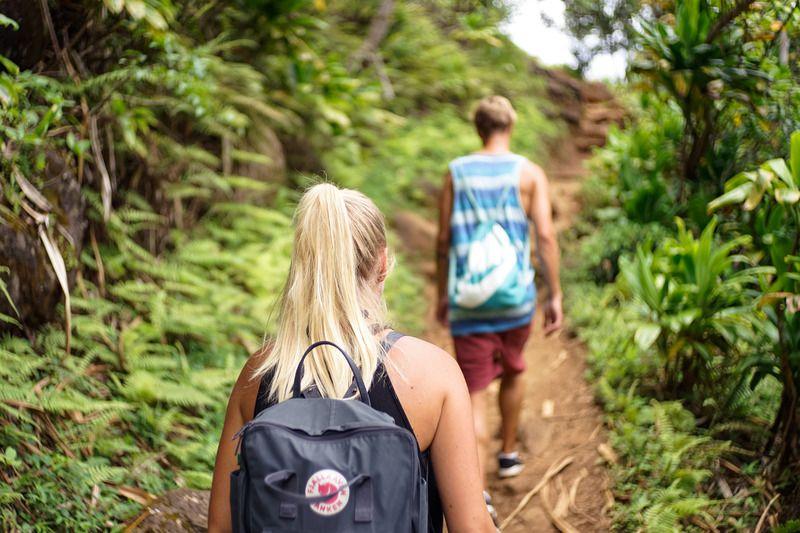
Reaching the remote canyon means driving along isolated desert roads in northern Arizona to the trailhead parking area at the canyon rim. From there, visitors descend from the high desert plateau deep into the canyon floor. Most travelers complete the journey on foot, carrying their gear in backpacking packs. Transport assistance or organized tours may also be available, depending on current tribal regulations, so check what is currently offered before you plan around it.
| Access option | Physical effort | Planning complexity | Gear needed | Best suited for |
|---|---|---|---|---|
| Backpacking on foot | High | Moderate | Full backpacking gear | Independent, self-sufficient hikers seeking a classic wilderness trek |
| Gear transport assistance | Moderate | High | Packable camp gear | Campers who want to lighten their trail load while still walking the canyon |
| Guided group tour | Moderate | High | Varies by operator | Travelers who prefer structured logistics and group support |
Whichever approach you choose, all visitors must follow tribal safety rules and hold realistic expectations about desert weather and physical demands.
The trek into Havasu Canyon is physically demanding and carries genuine desert hazards that should never be underestimated. The trail crosses rugged switchbacks, exposed rock, and sandy canyon bottoms where shade can be scarce. In warmer periods, temperatures on the canyon floor can rise fast, creating dangerous conditions for unprepared hikers.
Start early in the morning to avoid the worst heat, and carry plenty of water plus electrolytes, since dry desert air speeds up dehydration. Wear sturdy, broken-in hiking footwear with good ankle support for loose gravel, rocky switchbacks, and uneven ground. Pace yourself, rest in shade, and watch both your own condition and your companions’: heat exhaustion and dehydration are serious risks in an arid canyon.
Mobile coverage inside the canyon is unreliable, so carry a basic first-aid kit, an emergency communication device if you have one, and printed route information. Do not count on being able to call for help from the trail.

Camping Along Havasu Creek
Past the village of Supai, the designated campground stretches alongside the turquoise waters of Havasu Creek, shaded by cottonwood trees. Camp only within the approved campground boundaries, and expect to pitch a tent or hang a hammock in a natural, rustic setting rather than a developed site.
Campsite hygiene matters here. Store food securely in animal-proof containers or heavy-duty food sacks, since local squirrels and rodents are skilled at chewing through tents and packs to reach snacks. Campfires are prohibited to reduce wildfire risk in the dry canyon, so use a lightweight backpacking stove for cooking and dispose of wash water well away from the stream.
Exploring Havasu Falls and Nearby Waterfalls
The waterfalls of Havasu Creek owe their vivid blue-green color to mineral-rich spring water, which also builds natural travertine terraces and clear swimming basins. Havasu Falls itself drops over red cliffs into a wide, inviting pool, and the sandy shore beside it is a natural place to swim, rest, and take in the view.

Waterfalls Beyond the Main Falls
- Navajo Falls and Fifty Foot Falls: upstream, closer to the village, with lush vegetation and calm swimming holes.
- Mooney Falls: downstream from the main campground, a tall cascade reached by a path carved into the rock face, with tunnels, chains, and ladders. It demands extreme caution and surefootedness.
- Beaver Falls: further down the canyon, a series of wide, terraced travertine pools suited to wading and photography.
What to Pack: Essential Gear Checklist
Everything you need must be carried into the canyon, and all waste carried out, so pack efficiently for a safe and comfortable stay.
- Lightweight backpacking tent or hammock with rainfly, plus a sleeping bag suited to seasonal canyon temperatures and a compact sleeping pad.
- Broken-in hiking boots or supportive trail runners, plus sturdy water shoes or sandals with secure straps for stream crossings.
- Moisture-wicking base layers, breathable hiking socks, a wide-brimmed sun hat, sunglasses, UV-protective clothing, and a lightweight warm jacket for cool desert nights.
- Water bottles or a hydration bladder, a water filter or purification tablets, energy-dense meals, trail snacks, and electrolytes.
- A compact camp stove, fuel, and lightweight cookware.
- A first-aid kit with blister care, high-SPF sunscreen, insect repellent, a headlamp with extra batteries, biodegradable soap, animal-proof food storage, and heavy-duty trash bags for packing out waste.
Key Takeaways
- Sovereign tribal territory: Havasu Falls is on Havasupai land. Visitors must obey tribal laws, prohibitions, and cultural guidelines.
- Mandatory permits: day hiking is not allowed. Secure an overnight reservation in advance through the official tribal reservation system.
- Strenuous desert trek: the hike is physically challenging, with exposed heat and rugged terrain. Conditioning and heat management are essential.
- Rules change: permit prices, opening dates, and booking rules change over time. Always check the official Havasupai reservation information before planning.
- Complete self-reliance: pack in all gear, food, and water-treatment tools, and pack out all trash.
Conclusion: Plan Carefully, Travel Respectfully
A journey to Havasu Falls offers a rare chance to experience one of the world’s most captivating desert landscapes, where turquoise water flows between timeless red rock walls. The real reward, though, comes from approaching the trip with thorough preparation, physical readiness, and deep respect for the tribe that protects this extraordinary place.
If you are ready to start planning, your next step is to visit the official Havasupai reservation system, create or update your account, review the current entry rules, and check upcoming permit release dates before you finalize any travel arrangements.

Hi, I am Emam Hasan — founder and editor of BrokeMountain. I oversee this blog’s hiking, camping and outdoor gear guides, making sure every article is well-researched, accurate and genuinely helpful for your time on the trail. Enjoy it!